All Saints Street Had Its Landmarks for a Century. Now It Has a Front Door.
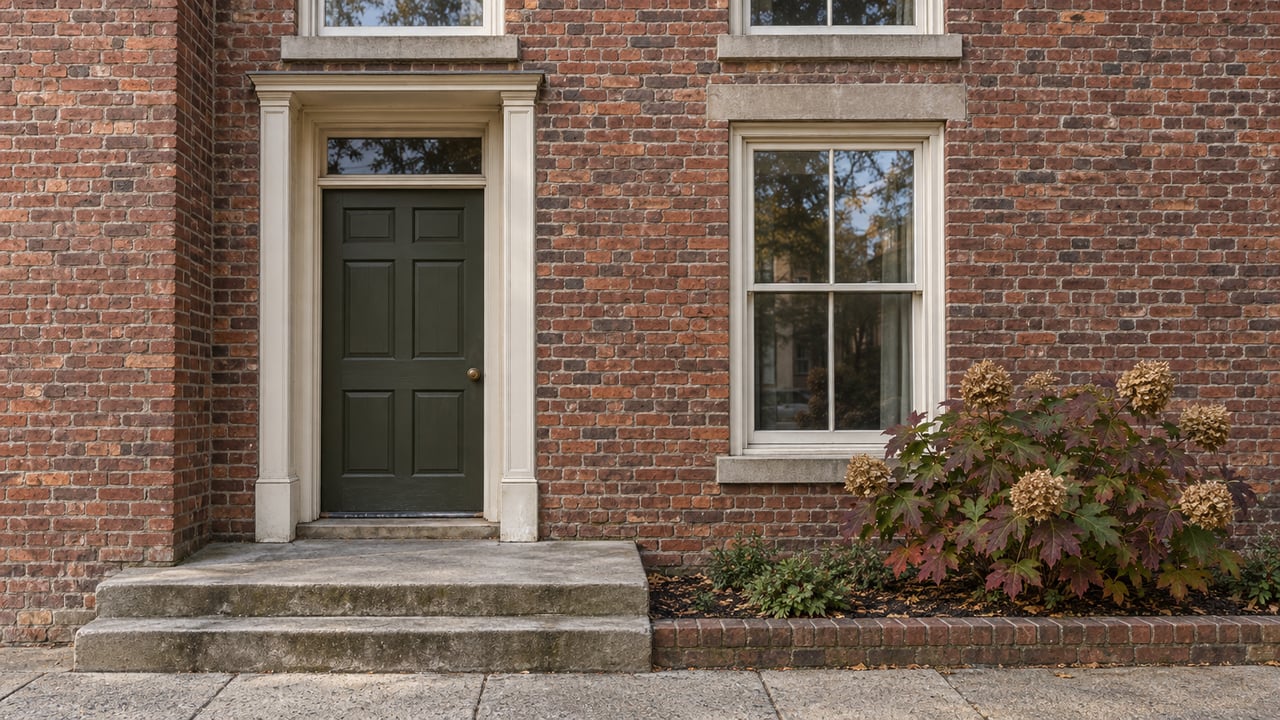
The address is 125 East All Saints Street, and part of the building is a public parking garage. Across the street is the Frederick Police Department. On Saturday, October 17, hundreds of people stood on that block in a cold wind for the grand opening of Frederick's first African American Heritage Center, which fills about 3,200 square feet of the garage building, according to the Frederick News-Post.
The location is the reason to go. Most of what the exhibits cover happened within a few blocks of that door. Asbury's congregation goes back to a church on this same street. The Pythian Castle is around the corner on West All Saints. Laboring Sons Memorial Ground and the bridge named for the center's founder are a short walk away. These places have been here for generations, but until this month nothing pulled them together. The center does, and the self-guided walk that leaves from its door is the second half of the visit.
The idea is older than many of the downtown restaurants Frederick residents go to every week. William "Bill" Lee Jr. was a former alderman and community leader, and he first pictured the society and a center as early as 2001, the News-Post reported. David Key carried that plan forward, made the African American Resources Cultural and Heritage Society official as a nonprofit in 2009, and led it until 2021.
According to WYPR, Mayor Michael O'Connor signed a lease with AARCH in 2020 and handed over the keys to the city building that became the center. AARCH member Barbara Thompson told the station that the work took more than five years. Before AARCH moved in, the space was a cycling studio.
The society has not released a total cost. Society President Olivia White told the News-Post that support came from local and state government, the Delaplaine Foundation, the Ausherman Family Foundation and others. Thompson also named the Community Foundation of Frederick County when she spoke with WYPR.
White summed up the purpose of the room at the opening:
"History is not simply something we put behind glass. History is where we come from, and history helps us understand where we can go."
The News-Post carried that line in its report on the ceremony.
The exhibits begin before you get inside. Large posters on the outside of the building show Esther Grinage, one of Frederick's first African American teachers. They also show E. Mitchell Johnson, who is said to have owned the first African American newspaper in western Maryland, and students from a school on West 7th Street around 1890, as WYPR's photos show.
Inside, you walk straight into the museum. There are two main displays. One is a timeline that runs from the 1600s to the present. The other sorts objects by the seven principles of Kwanzaa: unity, self-determination, collective work, cooperative economics, purpose, creativity and faith.
The objects are what make the room feel local:
The center isn't finished, and AARCH says so. A mural is still planned for the wall by the entrance, and White said the exhibits will rotate because "there are many more artifacts to share, many more stories to tell." Genealogy classes are planned. So is a computer lab where county youth can research their family history. The Living Treasures oral-history project is collecting recipes from the county's African American elders who are 90 and older for a cookbook called Treasured Food for the Soul, and Thompson told WYPR that cooking events will follow once it's published.
Regular hours had not been posted widely as of the opening, so check aarchsociety.org before you go.
On Visit Frederick's self-guided African American Sites Walking Tour, the center is stop one of 19. Visit Frederick calls All Saints Street the historic hub of Black life downtown. In the 19th and early 20th centuries, Black residents who held skilled industrial jobs along Carroll Creek built homes south of the creek, next to businesses that were segregated at the time. Here's a short version of the route from the center:
The full 19-stop map also includes the former Free Colored Men's Library site. Bill Lee's story begins on the timeline inside the center and ends on a bridge over the creek, which shows how closely the building and the walk fit together.
If you'd like a guide, AARCH's own walking tours leave from the center at 11 a.m., last 60 to 90 minutes, and cost $10 for teens and adults. The posted 2026 schedule ended in October, so the self-guided map is the way to do the walk this winter.
The center's first holiday season comes with a fixed date. The Frederick Historic Sites Consortium has run Museums by Candlelight for more than 30 years. It's a free, self-guided day when more than 20 historic sites across the county open their doors. In 2026 it falls on Saturday, December 12, according to Visit Frederick.
| AARCH Heritage Center at Museums by Candlelight | |
|---|---|
| Date | Saturday, December 12, 2026 |
| Hours | Noon to 5 p.m. |
| Special programs | Music and Kwanzaa programs at noon, 2 p.m. and 4 p.m. |
| Cost | Free, like every Candlelight site |
| Address | 125 E. All Saints St., Frederick |
The timing matches the room. One of the center's two main exhibits is built around the seven principles of Kwanzaa, which runs each year from December 26 to January 1, so the noon, 2 and 4 p.m. programs pair that display with the season it describes. Most of the other Candlelight sites are spread across the county, from Thurmont and Emmitsburg to Brunswick and Urbana. The center is one of the downtown stops, and the walking route above starts right at its door.
At the opening, White told the News-Post that this history "does not belong to one sector or another. It belongs to all of us." If you live in Frederick, you can visit on any day it's open and then walk the rest of All Saints Street before lunch.
At VSells & Associates, we keep a running list of the places that make Frederick County feel like home, and the new Heritage Center at 125 E. All Saints St. has just been added to it. If you'd like to know what's happening in Frederick this winter, or what your home is worth in a downtown that keeps adding places worth walking to, get in touch.
Whether you are buying or selling, we at VSells & Associates make it our mission to guide our clients through the whole process. We make moving simple, straightforward, and as stress-free as possible.