Everyday Living In Historic And Coastal Annapolis MD
What does everyday life in Annapolis really feel like once you look past the postcards? If you are thinking about moving here, buying a second home, or simply trying to understand the city better, it helps to know how historic charm and coastal living show up in your day-to-day routine. From walkable streets and marina activity to commuting options and flood considerations, here is a practical look at what living in Annapolis, Maryland can mean for you. Let’s dive in.
Annapolis is Maryland’s state capital and the seat of Anne Arundel County, set on the western shore of the Chesapeake Bay at the mouth of the Severn River. It is also home to St. John’s College and the U.S. Naval Academy, which means civic, academic, and maritime activity are woven into daily life.
That mix gives the city a rhythm that feels active year-round, not just during peak visitor seasons. In a city of about 40,634 people spread across 7.21 square miles, you are living in a compact place where work, errands, dining, and recreation often happen within a relatively small area.
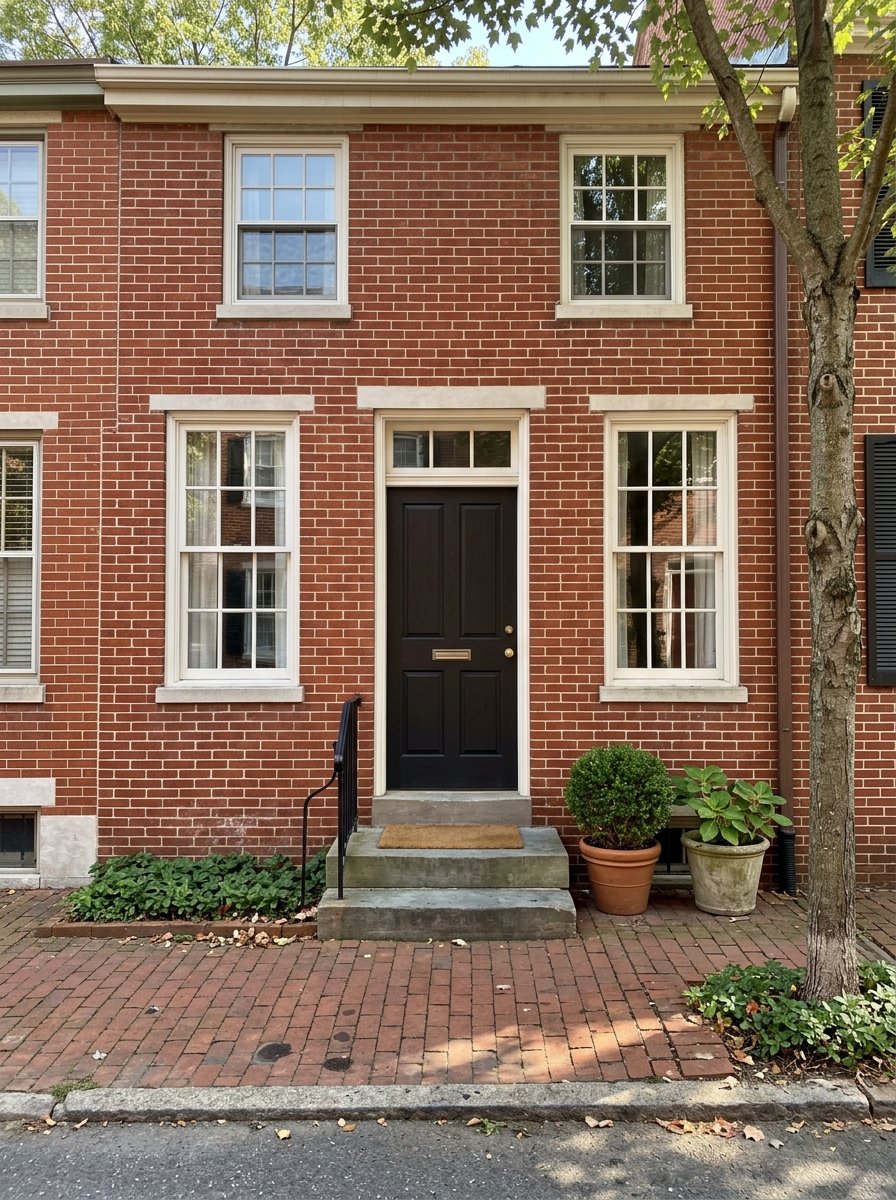
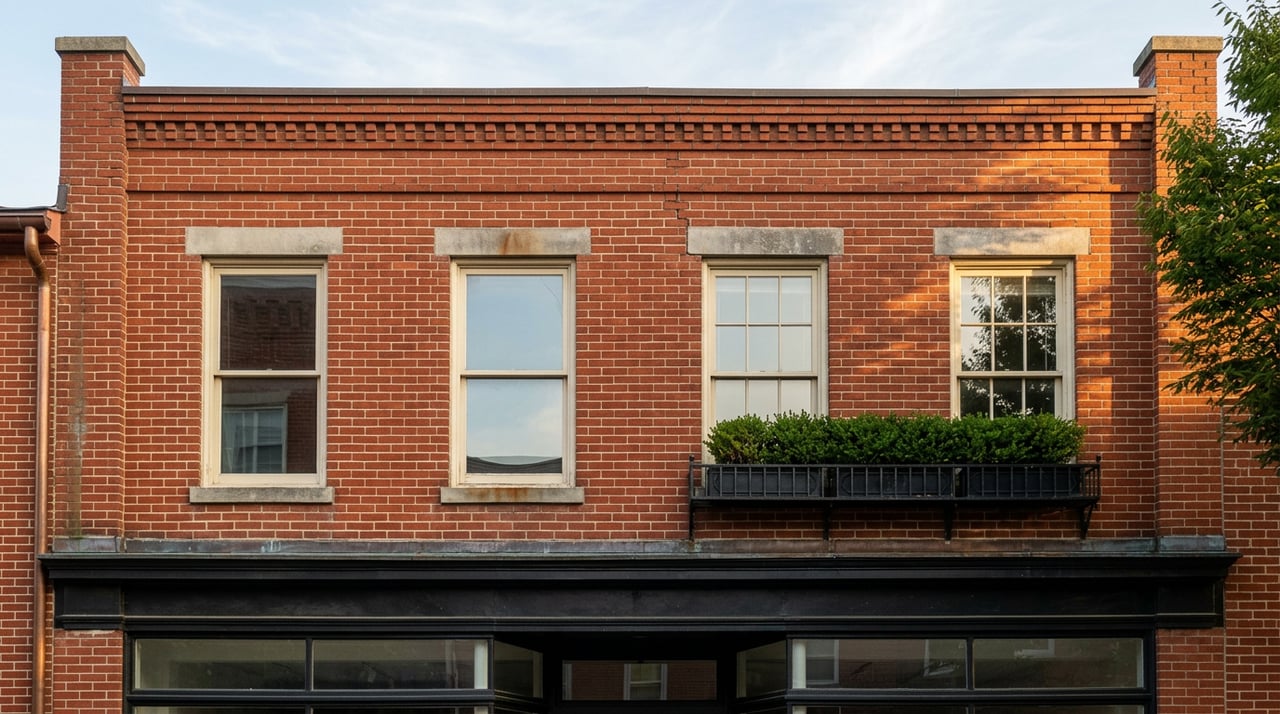
Downtown Annapolis is not just old, it is structurally historic in the way it functions. The city describes the downtown core as roughly one square mile, with an 18th-century street pattern, brick sidewalks, and a pedestrian-friendly layout that remains central to its identity.
If you live in or near the historic core, daily life may feel more walk-oriented than in many surrounding suburbs. Short trips to shops, restaurants, offices, and the waterfront can be part of your regular routine, especially in areas where residential and commercial uses sit close together.
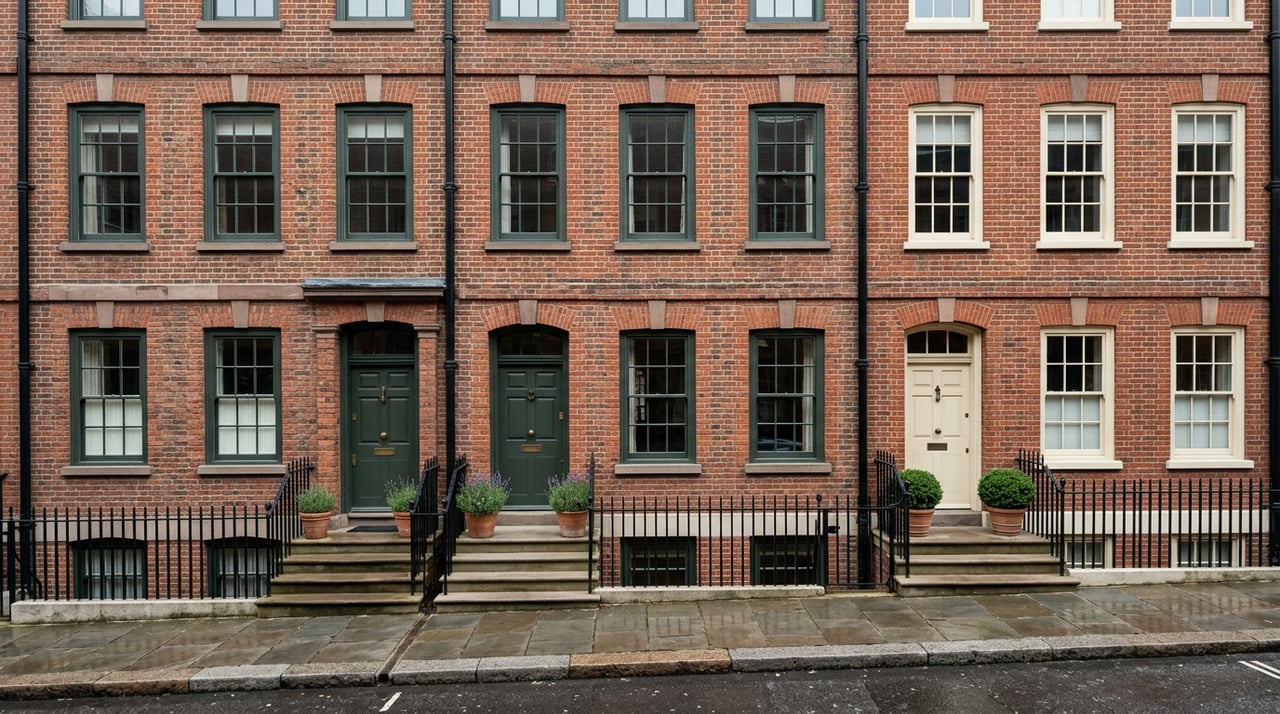
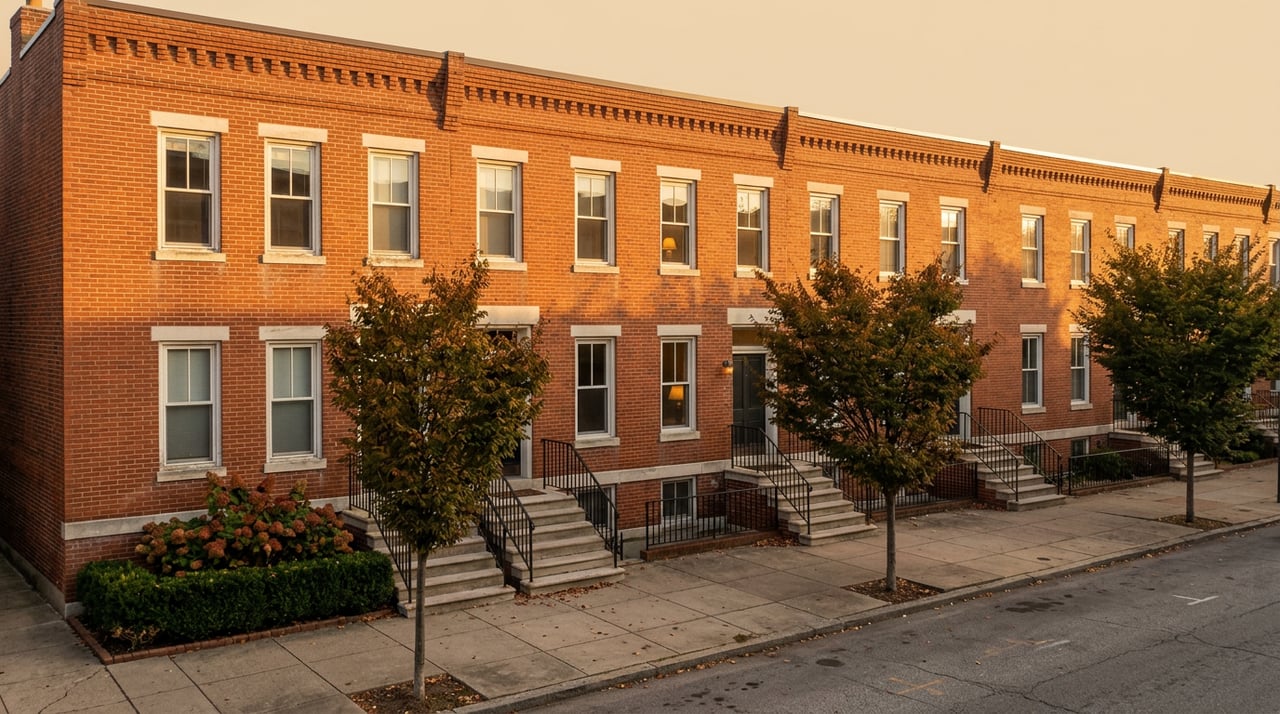
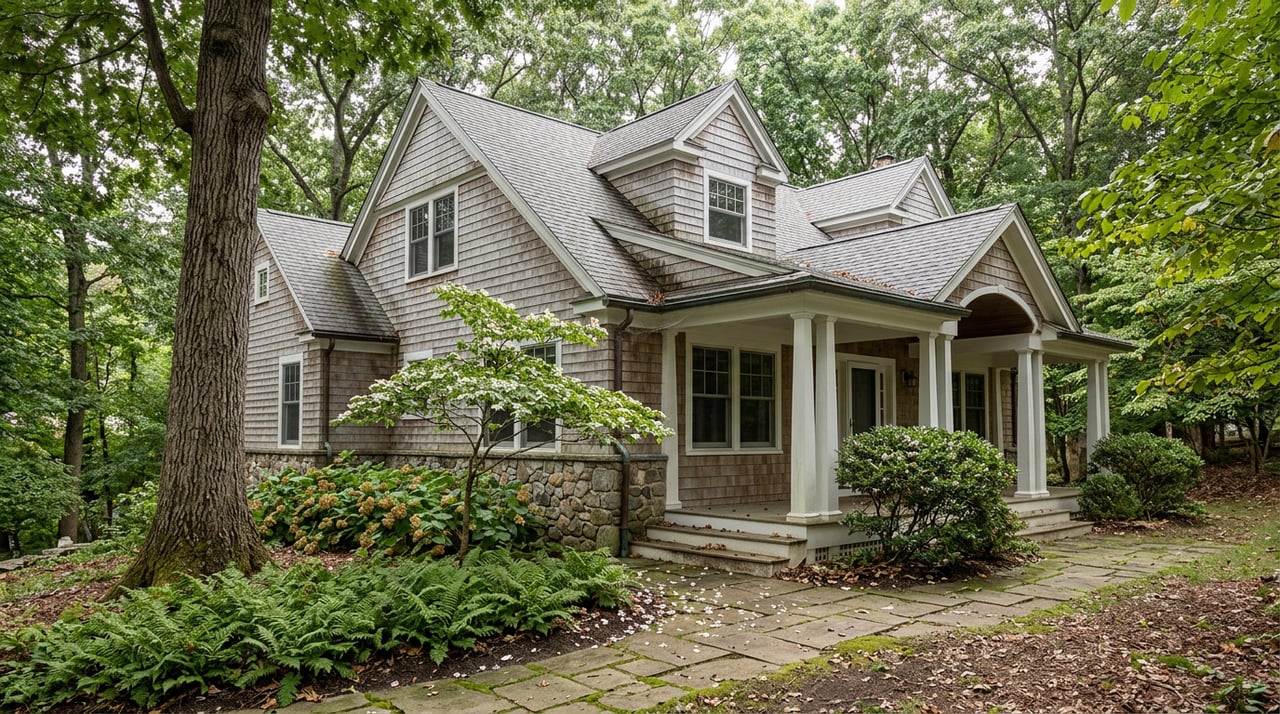
One of the defining features of Annapolis is that historic housing is not one single style. The city’s historic district includes a range of architectural influences, including Provincial Georgian, Federal, Greek Revival, Italianate, Shingle, and Colonial Revival.
For you as a buyer, that means the housing stock can feel layered and distinctive. Instead of expecting uniform blocks, you are more likely to see homes with different ages, materials, proportions, and exterior details.
If you are considering property in the historic district, exterior changes can involve added review. The city notes that new construction and exterior work in the district are expected to respect the existing scale, materials, and window patterns of the surrounding area.
That does not make ownership impossible, but it does mean the look and feel of the neighborhood is protected more carefully. For many buyers, that is part of the appeal. It also means renovation plans may require more research up front.
Annapolis is not one-note. While the harbor and downtown get much of the attention, several parts of the city support very different versions of everyday living.
Eastport is one of the clearest examples of Annapolis’ water-oriented identity. The city describes it as a historic residential area near downtown waterfront institutions, with marinas, restaurants, marine businesses, and homes all sharing the same broader setting.
If you picture a neighborhood where boats and daily errands naturally overlap, Eastport fits that image. At the same time, the city notes that some one-way streets and high curbside parking demand, especially on Saturdays and during events, can affect how convenient day-to-day driving and parking feel.
The city’s planning materials group older neighborhoods like Murray Hill and Eastport with the downtown area because of their interconnected street networks and pedestrian scale. That can matter if you want a neighborhood where the physical layout supports walking and shorter local trips.
For some buyers, that type of street pattern feels more connected and easier to navigate on foot. It can also create a different experience from newer sections of the city that developed with a more car-centered pattern.
West Annapolis functions as a major entry point into the city and includes boutiques, antique stores, professional offices, and nearby residential streets. That combination helps create a daily environment where shopping, services, and home life sit close together.
If you want access to local businesses without being in the busiest waterfront area, West Annapolis may appeal to you. It shows another side of the city that is active but not defined only by the harbor.
Forest Drive is described by the city as an urban-suburban blend with access to major transportation routes. In practical terms, this part of Annapolis can suit people who want city access while staying closer to broader road networks and everyday services.
This area helps explain how Annapolis works as a full-time city, not just a historic destination. Your experience here may feel more oriented around driving, errands, and regional access than waterfront strolling.
The city identifies Inner West Street as the Annapolis Arts District, where commercial, cultural, and residential uses come together. That mixed-use character adds another dimension to daily living.
If you are drawn to local arts, events, and a more blended live-work environment, this corridor may stand out. It also reinforces that Annapolis offers more than historic homes and marina views.
Transportation in Annapolis depends a lot on where you live and where you need to go. The city connects to the broader region by U.S. Routes 50/301, Maryland Route 2, and Interstate 97, and Annapolis is about 27 miles from both Washington, D.C. and Baltimore.
That makes highway travel part of the picture for many commuters, even if your local routine feels compact. The city’s mean travel time to work is 29.5 minutes, which gives some context for what commuting can look like.
In the historic core and nearby older neighborhoods, walking can play a meaningful role in daily life. The street layout, small footprint, and mix of uses make short trips more realistic without always getting in the car.
As you move farther from downtown, the city becomes more car-aware. Newer development patterns, larger road corridors, and regional commuting needs often shift the balance back toward driving.
Annapolis also offers several public transportation options. Annapolis Transit runs fixed routes, shuttles, and ADA paratransit across a service area of about 23 square miles.
The city also operates a free downtown shuttle and a seasonal all-electric trolley that loops between garages, shops, and restaurants in the core. Go! Time adds on-demand transit within the city service area, and regional service includes commuter bus connections to Washington, D.C. and to the Baltimore side.
Parking is an everyday consideration in Annapolis, especially in and around downtown. The city manages a mix of garages, meters, on-street permits, and residential parking programs.
If you are comparing neighborhoods, parking ease can be just as important as home style or block appeal. In a compact historic city, convenience often comes down to details like permits, street configuration, and proximity to public parking.
The waterfront is not a backdrop in Annapolis. It is part of how the city works every day.
The harbormaster oversees public and private moorings, 1,700 feet of bulkhead, 20 slips at City Dock, more than 17 miles of shoreline, and street-end landings. Places like Ego Alley highlight how boating, dining, and downtown activity overlap in a very visible way.
For many residents, the appeal of Annapolis comes from the fact that sailboats, marinas, and harbor views are part of ordinary life. You are not driving to a separate resort area to enjoy the water. In many parts of the city, it is already around you.
That coastal setting can shape where you spend time, how you move through town, and what kind of home environment feels right for you. It also creates a lifestyle that feels different from inland suburban markets across Central Maryland.
The same geography that makes Annapolis attractive also requires practical planning. The city says Annapolis is susceptible to nuisance flooding, especially from March through September, with the lowest-lying land in downtown City Dock and Eastport.
The city’s flood data notes that downtown experienced 194 hours of flooding in 2020. If you are buying or renting, that makes location-specific research important, especially when comparing low-lying waterfront areas with higher ground elsewhere in the city.
Annapolis can offer a rare combination of historic character, coastal access, and regional connectivity. Depending on the neighborhood, your day may include brick sidewalks, marina activity, local business districts, highway commuting, or a mix of all four.
It is also a city where practical details matter. Housing style, parking, walkability, transit access, and flood exposure can all shape how well a specific area fits your routine.
With an owner-occupied housing rate of 62.0%, a median owner-occupied home value of $548,900, and a median gross rent of $1,860, Annapolis sits in a higher-cost bracket than many buyers and renters expect at first glance. Understanding the daily tradeoffs behind the charm can help you make a more confident move.
If you are exploring Annapolis as a place to buy, sell, or relocate, working with a team that understands how lifestyle, location, and property details come together can make the process much smoother. When you are ready for thoughtful guidance tailored to your goals, connect with Vsells & Associates.



Whether you are buying or selling, we at VSells & Associates make it our mission to guide our clients through the whole process. We make moving simple, straightforward, and as stress-free as possible.