Glenwood MD Homes: Space, Privacy And Country Convenience
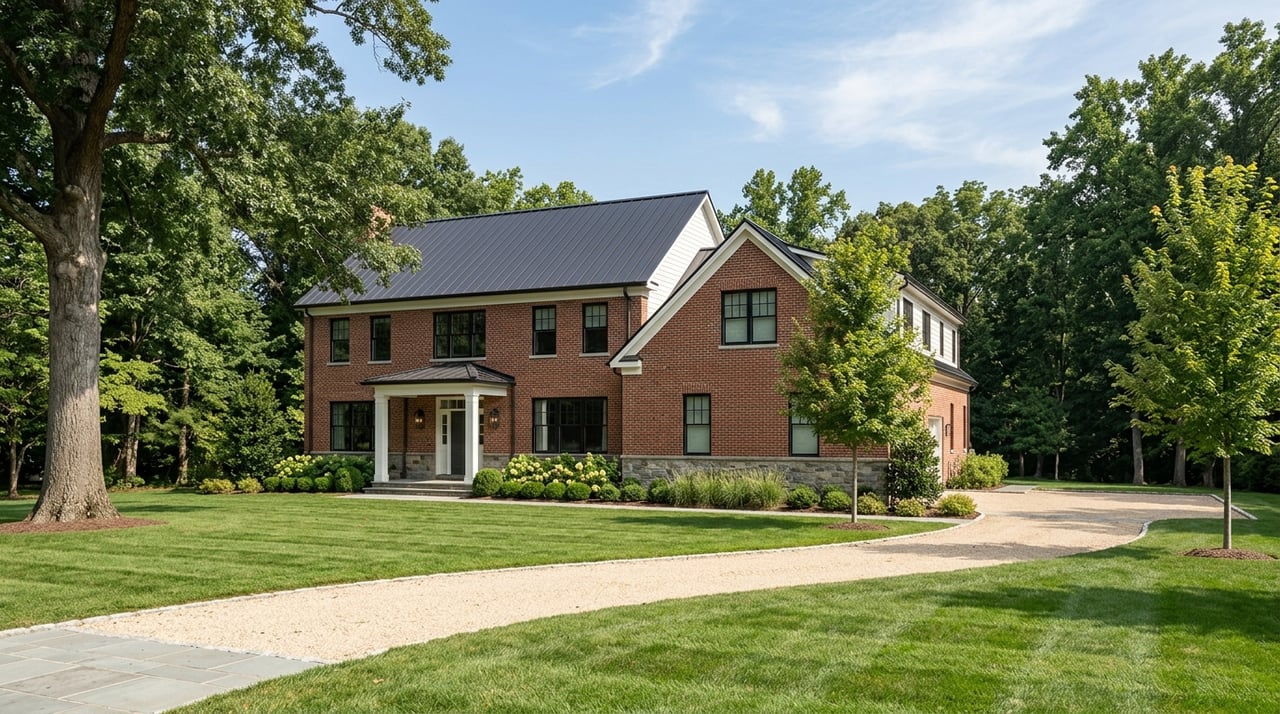
Looking for more room without giving up access to everyday essentials? Glenwood offers a version of Howard County living that feels more open, private, and rural, while still staying connected through key travel routes. If you are weighing a move to Glenwood, this guide will help you understand what homes here tend to look like, what ownership can involve, and what questions to ask before you buy. Let’s dive in.
Glenwood is a small rural community in west-central Howard County. County historic documentation describes it as an intact 19th-century village that began as a country post office and store in 1841, with settlement developing along Route 97 between Roxbury and Cooksville.
Today, Glenwood sits within Howard County’s Rural West planning area. That matters because the county treats Rural West as a distinct region, with residential growth paced through its housing allocation framework and APFO. In simple terms, Glenwood functions differently from a typical suburban infill market.
If you picture detached homes with more land around them, you are on the right track. Howard County’s Rural Living guidance connects this area to large lots, substantial separation between buildings, scattered homes, farms, farmettes, preserved agricultural or environmental easements, and private driveways.
That means Glenwood-area housing often leans toward:
Compared with more built-out parts of Howard County, you are less likely to find compact condo or townhouse-style housing here. The overall pattern is more spacious, more spread out, and more land-focused.
For many buyers, Glenwood’s biggest draw is the feeling of separation. Larger lots and wider spacing between homes can create a quieter, more private setting than you may find in denser suburban areas.
That privacy can also come with more flexibility in how a property functions. Depending on the parcel and zoning, you may see features like barns, fencing, riding areas, pastures, or accessory farm buildings. In this part of Howard County, land is often a major part of the value.
In Glenwood, zoning is not just a technical detail. It can shape how you use the land, what structures are allowed, and whether certain rural uses fit your plans.
Howard County zoning materials state that in the RR district, farming, one single-family detached dwelling per lot, riding academies and stables, livestock on residential lots or parcels subject to county rules, and related accessory uses are permitted. In the RC district, farming and one single-family detached dwelling per lot are allowed, with a livestock restriction on residential lots or parcels under 40,000 square feet.
Because of that, one of the first questions to ask about any Glenwood property is whether it is in RR or RC zoning. If you are considering horses, livestock, or a more active land use, that step becomes especially important.
Glenwood is rural, but it is not cut off. County directions to local destinations like Glenwood Middle School and the Glenwood Branch Library use MD Route 97, and school directions also reference Route 70. That supports what many buyers experience on the ground: the area depends more on road access than on dense commercial development.
This is part of Glenwood’s appeal. You get a more open, country-style setting, but still benefit from connections to major travel corridors. The convenience here is less about walking to clusters of retail and more about being able to drive where you need to go with relative ease.
A rural setting does not mean a lack of public infrastructure. Howard County budget materials note that the Glenwood Branch of the Howard County Library System was renovated in 2000, reflecting ongoing civic investment in west-county service areas.
Howard County planning also recognizes a different service pattern in the rural west. Instead of a dense suburban amenity model, the area is served by smaller rural commercial crossroads that support nearby agricultural and residential communities.
Many acreage properties require a different kind of due diligence than a home on public utilities. Howard County’s Well & Septic Program regulates private drinking wells and onsite sewage disposal systems, reviews designs, inspects systems, and maintains public records for residential well and septic files from about 1985 to the present.
If you are looking at an older farmhouse or a rural home, those records can be very useful during your review process. They may help you better understand system history, file information, and what questions to raise during inspections.
When you tour a property, ask:
These are practical questions, not red flags. In Glenwood, they are simply part of buying smart.
A beautiful property can come with responsibilities that are easy to overlook during a first showing. County water-planning materials emphasize small-scale stormwater management, preserving natural features, and site planning that works with natural runoff patterns.
For you as a buyer, that means drainage, slopes, stream buffers, wooded areas, and overall site conditions deserve close attention. A large lot may offer more freedom, but it can also require more hands-on management over time.
Common upkeep items may include:
If you love the idea of land, make sure you also feel comfortable with the work that can come with it.
In western Howard County, land preservation is an important part of the broader planning framework. County preservation materials note that agricultural-land easements can carry use restrictions beyond standard rural-residential rules.
That is why it is important to ask whether a parcel is subject to any agricultural or environmental easement. An easement does not automatically make a property less desirable, but it can affect future plans for land use, outbuildings, or other changes.
Before moving forward, it is wise to confirm:
This is one of the biggest differences between shopping in Glenwood and shopping in a more conventional suburban neighborhood.
Glenwood can be a strong fit if you want elbow room, detached housing, and a property that feels more rooted in the landscape. Buyers who are drawn to acreage, privacy, private driveways, and rural character often find this area especially appealing.
It may also work well if you are comfortable with a driving-based lifestyle and understand that rural convenience looks different from the retail-heavy model found in other parts of Howard County. The tradeoff is often more land, more separation, and a setting that feels distinctly calmer.
Because Glenwood properties can vary a lot from one parcel to the next, asking the right questions early can save you time and stress later.
Here is a simple checklist to keep in mind:
The goal is not to make the process harder. It is to match the property with your expectations, budget, and long-term plans.
If you are thinking about buying or selling in Glenwood, working with a local team that understands both the appeal and the practical details of rural Howard County can make a real difference. Vsells & Associates helps buyers and sellers navigate unique homes, acreage properties, and market strategy with clear guidance and responsive support.

Whether you are buying or selling, we at VSells & Associates make it our mission to guide our clients through the whole process. We make moving simple, straightforward, and as stress-free as possible.