Living in Columbia MD: What Life Is Like in the Villages
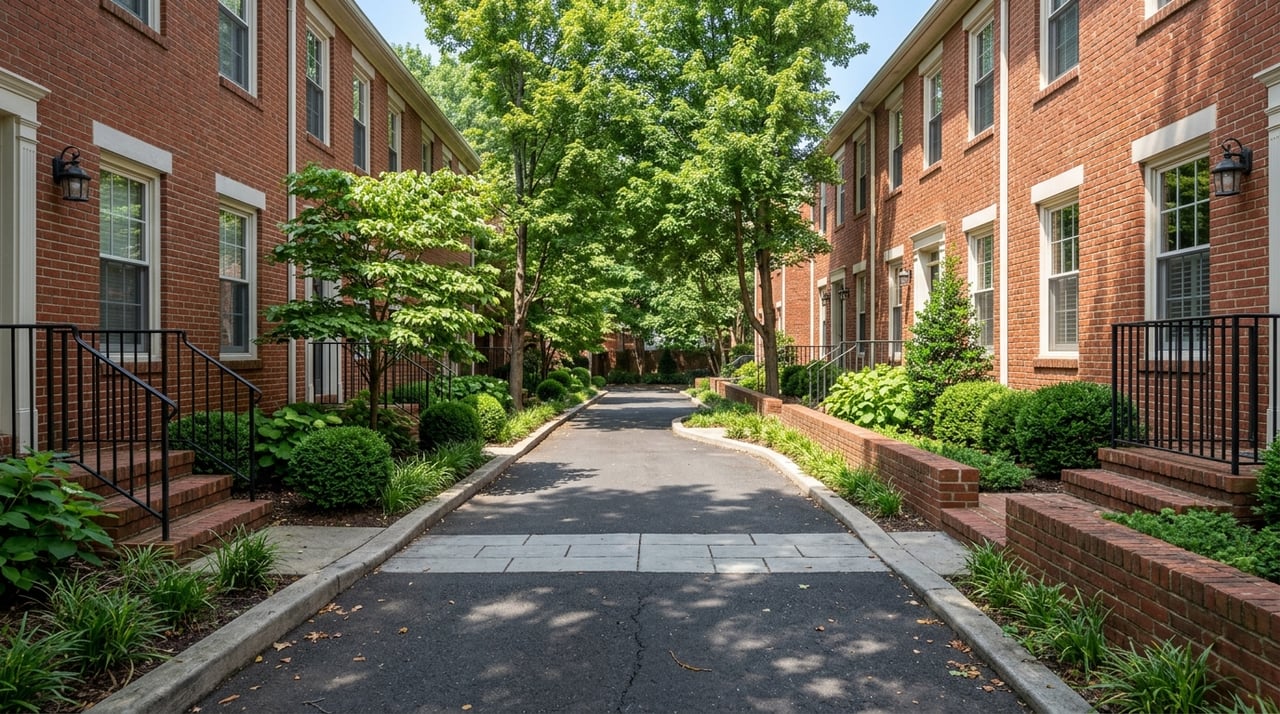
Looking for a place that feels connected, convenient, and outdoorsy all at once? That is a big part of what draws people to Columbia. If you are thinking about moving here, it helps to understand that Columbia is not just one neighborhood. It is a planned community made up of villages, each with its own rhythm, gathering spots, and day-to-day feel. In this guide, you will get a practical look at how Columbia’s village system works, what daily life can feel like, and what to consider before you buy. Let’s dive in.
Columbia was built as a master-planned community organized around 10 villages. Nine of those villages cluster around village centers designed to serve as local gathering places and neighborhood shopping and service destinations. Town Center works differently because it functions as Columbia’s downtown core.
The 10 villages are Dorsey’s Search, Harper’s Choice, Hickory Ridge, Kings Contrivance, Long Reach, Oakland Mills, Owen Brown, River Hill, Town Center, and Wilde Lake. According to Columbia Association, each village has its own independent nonprofit community association, its own board, and representation on the Columbia Association Board. These village associations help support events, programming, covenant enforcement, and neighborhood-center management.
That structure matters because it shapes how Columbia feels to live in. Instead of one central suburban layout, you get a network of smaller areas tied together by pathways, lakes, village centers, and shared amenities. For many buyers, that creates a stronger sense of place in everyday life.
Living in Columbia’s villages often means your routine spreads across several familiar hubs. You may handle quick errands at a village center, head downtown for bigger shopping or entertainment, and use the pathway system for walks, runs, or bike rides. That mix gives Columbia a different feel than a typical subdivision where most activity depends on driving from one isolated area to another.
Village centers are meant to remain local destinations and social hubs, while Downtown Columbia is planned as a more walkable mixed-use core. In practical terms, that can make daily life feel layered. You have neighborhood-scale convenience close to home, but you also have larger destinations nearby when you want more options.
Columbia Association also notes that schools, community centers, and village centers help define each village’s character. That does not mean every village feels the same. Some people are drawn to lake access and trails, while others focus more on commuting routes, shopping access, or how close they want to be to downtown events.
One of the clearest benefits of living in Columbia is how much open space is built into daily life. Columbia Association maintains about 3,600 acres of open space and 95 miles of pathways, along with three lakes, outdoor and indoor pools, fitness clubs, golf courses, an ice rink, an art center, a dog park, a sports park, and a youth and teen center.
That means recreation is not an occasional extra here. It is part of the way the community is designed to function. If you like being able to step outside for a walk, use trails for exercise, or spend time near the water without leaving town, Columbia offers a lot of built-in options.
The lakefront at Lake Kittamaqundi is one of the best-known examples. It serves as a focal point for walking, jogging, biking, fishing, kayaking, canoeing, and community events, including the free Lakefront Live summer series.
Several of Columbia’s lakes are closely tied to the feel of nearby villages. If lake access matters to you, it can be worth narrowing your home search based on which trail loop or outdoor setting fits your routine best.
Lake Elkhorn is a 37-acre lake with a 1.9-mile main loop, a playground, and shady spots to stop and rest. Columbia Association also notes that a Patuxent Branch Trail segment can connect west toward Savage. For buyers who want a regular walking loop and a strong outdoor anchor nearby, this area often stands out.
Lake Kittamaqundi is a 27-acre lake with a 1.4-mile loop that Columbia Association describes as flat and stroller-friendly. The loop is within walking distance of Whole Foods, the Central Library branch, the Mall in Columbia, and restaurants. If you want a more urban, connected feel with easy access to both recreation and errands, Town Center may appeal to you.
Wilde Lake is a 22-acre lake with a 1.3-mile loop, waterfall views at the dam, and a playground area. It offers another option for buyers who want scenic outdoor space woven into daily life. Even within Columbia, those small differences in setting can shape how a village feels from week to week.
Columbia’s lifestyle is not limited to the village system alone. The broader area adds even more options for outdoor time and community activities.
Robinson Nature Center is an 18-acre LEED Platinum-certified nature education center with a wooded trail, indoor exhibits, a children’s discovery room, a natural play area, and a planetarium. Blandair Regional Park includes turf fields, tennis courts, playgrounds, paved walking trails that connect to the Downtown Columbia Pathway, and EV chargers.
Centennial Park Lake Trail is another notable nearby option, with a 2.6-mile county-park loop that includes lakes, wooded areas, open fields, courts, and a playground. For many buyers, this broad park-and-program network is part of why Columbia feels active and flexible instead of repetitive.
Columbia is not built around just one retail district. Shopping, dining, and entertainment are spread across multiple hubs, which fits the village concept well.
Visit Howard County describes Columbia as a premier shopping destination with hundreds of unique shops, anchored by the Mall in Columbia. The mall includes more than 200 specialty stores and serves as one of the area’s major retail and entertainment anchors.
For entertainment, Columbia offers a wide mix of year-round destinations and events. Howard County tourism highlights Merriweather Post Pavilion, The Chrysalis, Toby’s Dinner Theatre, Lakefront Live, and Merriweather District programming such as events at Color Burst Park. If you enjoy having concerts, public events, and casual outings close to home, that is a meaningful part of Columbia’s appeal.
Transportation is another reason the village layout works for many residents. Major road corridors in the area include I-95, US 29, MD 32, MD 100, and I-70, according to Howard County materials. That gives drivers several regional connections, though your day-to-day experience will still depend on where in Columbia you live and where you commute.
Columbia’s pathway system also plays a practical role in local mobility. Columbia Association continues to treat connectivity as a central transportation goal, which supports the idea that pathways are more than just a nice amenity. They are part of how the community is meant to function.
For transit users, the Regional Transportation Agency of Central Maryland provides fixed-route and paratransit service in Howard County. Columbia routes connect the Mall in Columbia with village centers, Howard Community College, Howard County General Hospital, and Dorsey MARC Station. RTA also notes that riders can connect to other systems through Metrorail stations, and Maryland Transit Administration commuter bus service includes Columbia-linked routes to Bethesda, Silver Spring, Baltimore, and Washington, D.C.
If you are comparing homes in Columbia, it helps to think beyond the listing itself. The village you choose can affect your routines, your access to trails and shopping, and how connected you feel to the places you use most.
A few questions can help narrow your search:
Columbia Association also notes that homes on CA-assessed land pay an annual charge that helps fund pathways, lakes, recreational facilities, and community programming. That is an important ownership detail because it connects the village system directly to the amenities many buyers value most.
It is also helpful to know that village community associations do not own or operate the village shopping centers. That distinction can clarify how Columbia’s social and community structure relates to the retail properties you use every day.
What makes Columbia different is not just that it has amenities. It is the way those amenities are built into a network of villages that support daily life. You are not choosing only a house here. You are also choosing a pattern of errands, recreation, events, and connections that can shape how you live week after week.
For some buyers, that means a village near a favorite trail or lake. For others, it means easier access to downtown destinations, transit links, or regional roads. Either way, Columbia tends to appeal to people who want a planned-community feel with built-in recreation and practical convenience.
If you are thinking about buying or selling in Columbia, having local guidance can make it much easier to compare villages and find the right fit for your goals. The team at Vsells & Associates can help you evaluate Columbia neighborhoods, prepare your home for the market, or build a smart search based on the way you want to live.

Whether you are buying or selling, we at VSells & Associates make it our mission to guide our clients through the whole process. We make moving simple, straightforward, and as stress-free as possible.