Is A Waterfront Home In Annapolis Right For You?
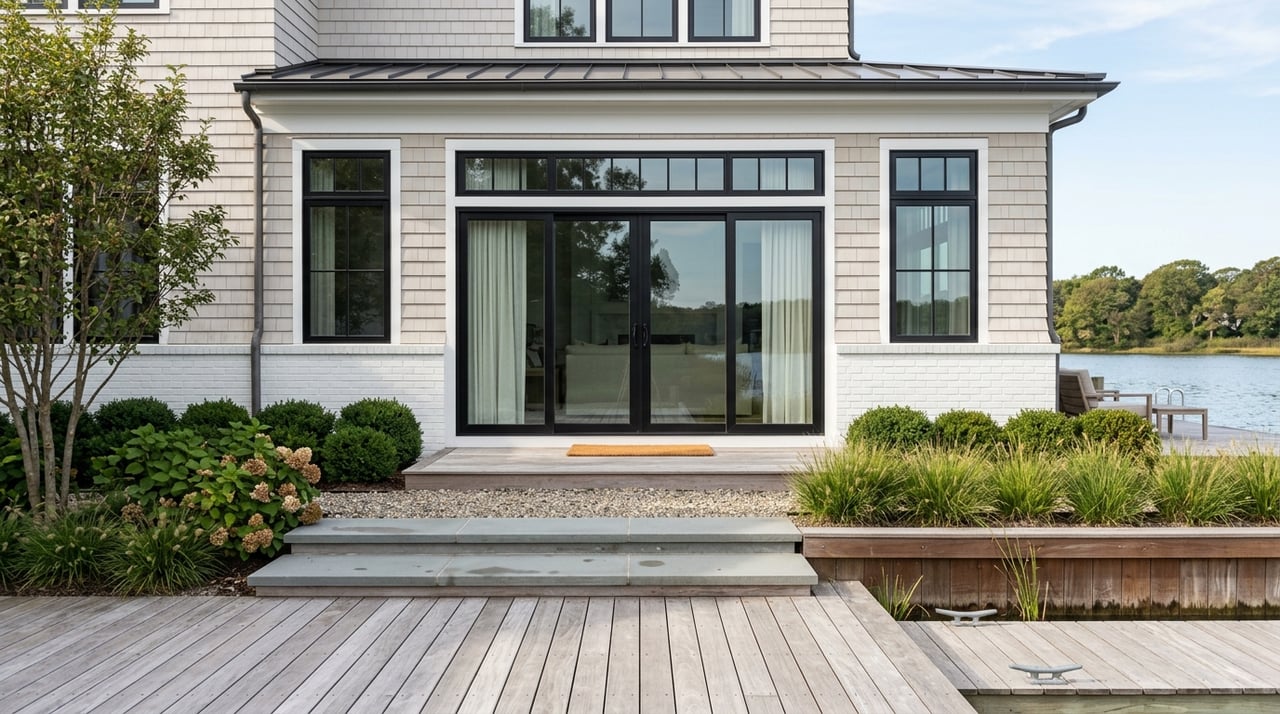
Buying a waterfront home in Annapolis can feel like buying a lifestyle as much as a property. The views, boating access, and connection to the Chesapeake Bay are easy to picture, but the day-to-day realities can be more complex than many buyers expect. If you are wondering whether waterfront living truly fits your goals, budget, and comfort with upkeep, this guide will help you think it through. Let’s dive in.
Annapolis sits on the Chesapeake Bay at the mouth of the Severn River, and the city’s harbor includes public and private moorings, docks, and shoreline frontage. That setting is a big reason waterfront homes here attract so much attention from buyers who want direct access to life on the water.
For many people, the appeal goes beyond the house itself. You may be drawn to boating, harbor views, or the ability to enjoy a walkable downtown while still living near the water. In Annapolis, waterfront ownership often blends recreation, scenery, and location in a way that is hard to replicate.
Anne Arundel County has more than 533 miles of shoreline, which means waterfront can mean different things from one property to the next. A home may be on the bay, a creek, a river, or near the harbor, and each setting can come with different access, exposure, and maintenance needs.
Not all waterfront homes offer the same experience. Some properties have direct frontage and a private pier, while others may have shared access, community docking, or only certain water-related rights. That is why it is important to understand exactly what comes with the property before you focus on finishes or square footage.
In Anne Arundel County, a waterfront lot is defined by the mean high-water line, and the shoreline side can function as the front yard. That can make lot layout, setbacks, and usable outdoor space feel very different from what you would expect with an inland home.
If a home includes a pier or mooring, verify who can legally use it. County rules say private pier use is limited to owners, occupants, people with recorded agreements, or guests, and guest docking is time-limited. A beautiful dock is only as valuable as the legal rights attached to it.
A waterfront purchase should be evaluated as both a home purchase and a site-specific property decision. The shoreline, access rights, environmental rules, and flood exposure all matter.
Here are some practical questions to ask early in your search:
These questions can save you time, money, and frustration. They also help you compare homes more realistically, especially when two properties look similar online but come with very different ownership obligations.
Many waterfront properties in Annapolis and Anne Arundel County fall within the Chesapeake Bay Critical Area. This area extends 1,000 feet landward from tidal waters and tidal wetlands, and it comes with rules that can affect how you use and improve the property.
Within the Critical Area, county and state regulations may limit ground disturbance, vegetation removal, impervious surfaces, and other site changes. The county review process also looks at buffers, wetlands, streams, and other sensitive areas. If you hope to add outdoor features, expand the home, or change the shoreline, these rules can have a major impact.
This does not mean you should avoid waterfront property. It means you should treat every lot as unique and understand what is possible before you buy.
A waterfront home can require a different level of care than a standard residential property. Salt air, runoff, shoreline conditions, and water exposure can all influence ongoing maintenance.
Maryland’s Living Shoreline Protection Act requires most private shoreline owners to use nonstructural erosion control methods, such as marsh plantings and natural vegetation, unless a waiver is granted. Maryland also requires permits for work below the average high-tide line in tidal wetlands or tidewater, and Anne Arundel County notes that local grading or building permits may also be needed for shoreline work.
That means shoreline protection is not just a maintenance issue. It is also a permitting and compliance issue. If a property already has a bulkhead, rip rap, or living shoreline, you will want to understand what exists and whether that work aligns with current state and county rules.
Runoff is another practical concern. County guidance notes that water from roofs, driveways, and lawns can quickly carry oils, nutrients, fertilizer, and sediment into nearby water. Landscaping choices and drainage patterns matter more when your backyard connects directly to a sensitive shoreline environment.
Some waterfront homes rely on systems that need more personal oversight than buyers expect. If the property uses a septic system, regular care is important because failures can contaminate wells or nearby surface water.
Anne Arundel County also notes that grants may be available to help upgrade older waterfront septic systems to less polluting alternatives. Even so, you should still ask when the system was last inspected, serviced, or upgraded.
If the home uses a private well, the homeowner is responsible for drinking-water safety. Maryland recommends testing private well water at least once a year for total coliform bacteria, nitrates, total dissolved solids, and pH, with additional testing if local conditions suggest it.
These are not reasons to rule out a property. They are simply part of understanding the real cost and rhythm of ownership.
Flood risk is one of the most important parts of waterfront due diligence in Annapolis. The city participates in the National Flood Insurance Program, and the city notes that new development and new construction must comply with local floodplain code.
Flood maps are the official source for flood-hazard information, and they are used by mortgage lenders to help determine insurance requirements. If a home is in a high-risk flood area and you are using a mortgage from a government-backed lender, flood insurance may be required.
Just as important, most homeowners insurance does not cover flood damage. Flood insurance policies through the National Flood Insurance Program generally have a 30-day waiting period, so it is smart to request quotes early instead of waiting until the final stretch before closing.
If you are buying a waterfront home with plans to renovate, expand, or rebuild, make sure you understand the permitting side before you move forward. In Anne Arundel County, waterfront and Critical Area permits may require extra documentation, including a Floodplain Acknowledgement.
The county’s review process can consider lot coverage, cleared area, wetlands, buffers, and other sensitive features. Even projects that may seem simple, such as decks, fences, additions, demolition, residential piers, bulkheads, or shoreline protection work, may require permits or approvals.
This matters because a home that seems like a great value may become far less appealing if your improvement plans are limited by site conditions or review requirements. The right property for you depends on whether the existing home already fits your needs or can realistically be adapted.
A waterfront home in Annapolis is often a strong fit if you value direct access to the Chesapeake Bay lifestyle enough to accept extra complexity. For the right buyer, the tradeoff can be worth it because the experience of living on the water is the whole point.
You may be a good fit for waterfront ownership if you:
On the other hand, a waterfront home may feel less practical if you want a lower-maintenance property or expect the lot to function like a typical suburban parcel. In Annapolis, waterfront ownership is rarely low-friction ownership.
The best waterfront decisions usually come from slowing down and looking at the whole picture. It is easy to fall for the view, but the smarter move is to evaluate the house, the lot, the shoreline, and the legal rights together.
A knowledgeable real estate team can help you ask better questions, compare properties more carefully, and spot issues that deserve a closer look before you commit. That kind of guidance matters even more when you are purchasing a property with site-specific rules and long-term maintenance responsibilities.
If you are thinking about buying in Annapolis, Vsells & Associates can help you approach waterfront homes with clarity, strong local guidance, and a practical strategy that fits your goals.








Whether you are buying or selling, we at VSells & Associates make it our mission to guide our clients through the whole process. We make moving simple, straightforward, and as stress-free as possible.