Small-Town Living In Carroll County Maryland
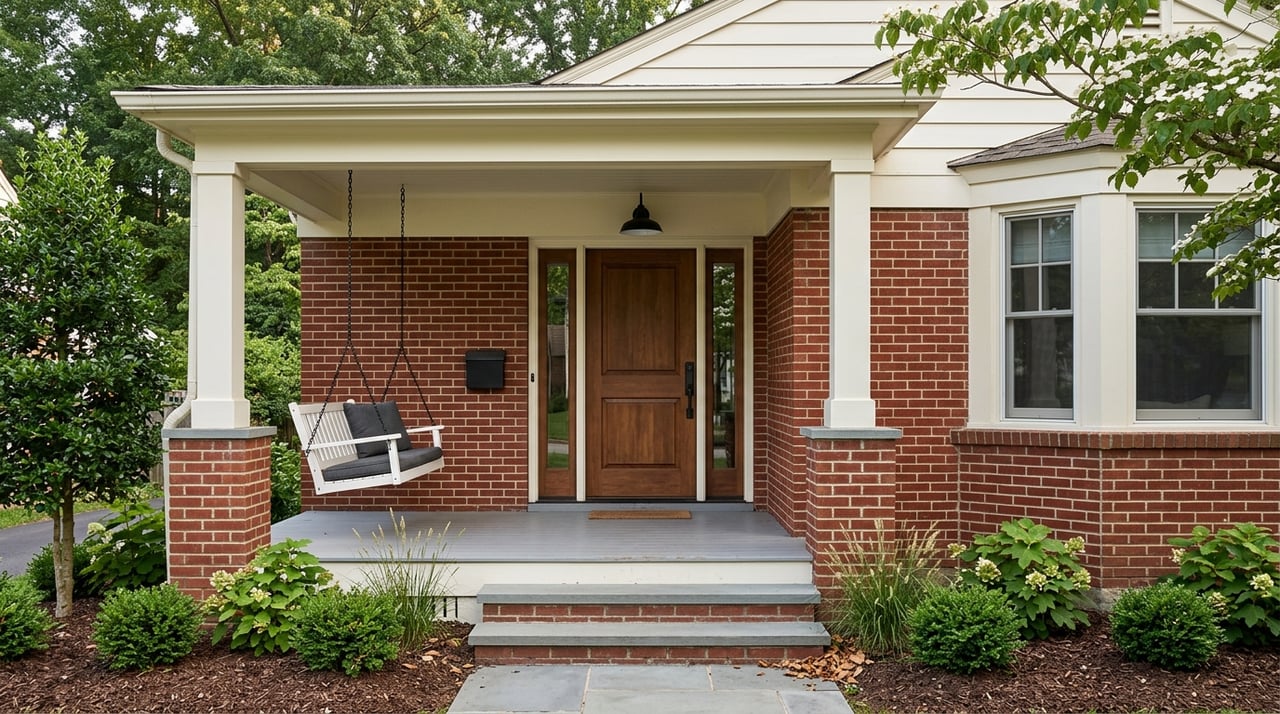
Looking for a place where life feels a little slower, neighborhoods are spread out, and historic main streets still play a real role in everyday living? Carroll County, Maryland stands out for exactly that reason. If you are thinking about buying a home in Central Maryland, this guide will help you understand what small-town living in Carroll County really looks like, from housing styles and commuting patterns to parks, town centers, and daily pace. Let’s dive in.
Small-town living in Carroll County is less about one single downtown and more about a network of established communities. According to Carroll County Tourism’s Main Streets guide, places like Westminster, New Windsor, Taneytown, Sykesville, Union Bridge, Mount Airy, and dozens of rural villages help shape the county’s identity.
That matters if you want options. Instead of choosing between a major city core and a generic suburb, you can explore different town settings, each with its own layout, history, and pace. For many buyers, that variety is a big part of the appeal.
Carroll County also sits in a practical location for people who need access to larger employment hubs. The county visitor center notes that it is a short drive from Baltimore, Washington, D.C., and Gettysburg, with access through I-795 and I-70. In everyday terms, that means you can enjoy a quieter home base without feeling completely cut off.
If you want a quick snapshot of how the county functions, the numbers tell an important story. The U.S. Census QuickFacts page for Carroll County estimates the 2024 population at 177,108 and reports an 84.3% owner-occupied housing rate.
The same source shows that 93.3% of residents lived in the same house one year later, with a median household income of $118,211, a median owner-occupied home value of $434,000, median gross rent of $1,427, and a mean travel time to work of 34.4 minutes. Together, those figures suggest a market with long-term residents and a steadier pace of turnover than you might see in more transient areas.
For buyers, that can signal a place where people tend to put down roots. For sellers, it points to a market where housing decisions are often tied to long-term lifestyle goals rather than short-term moves.
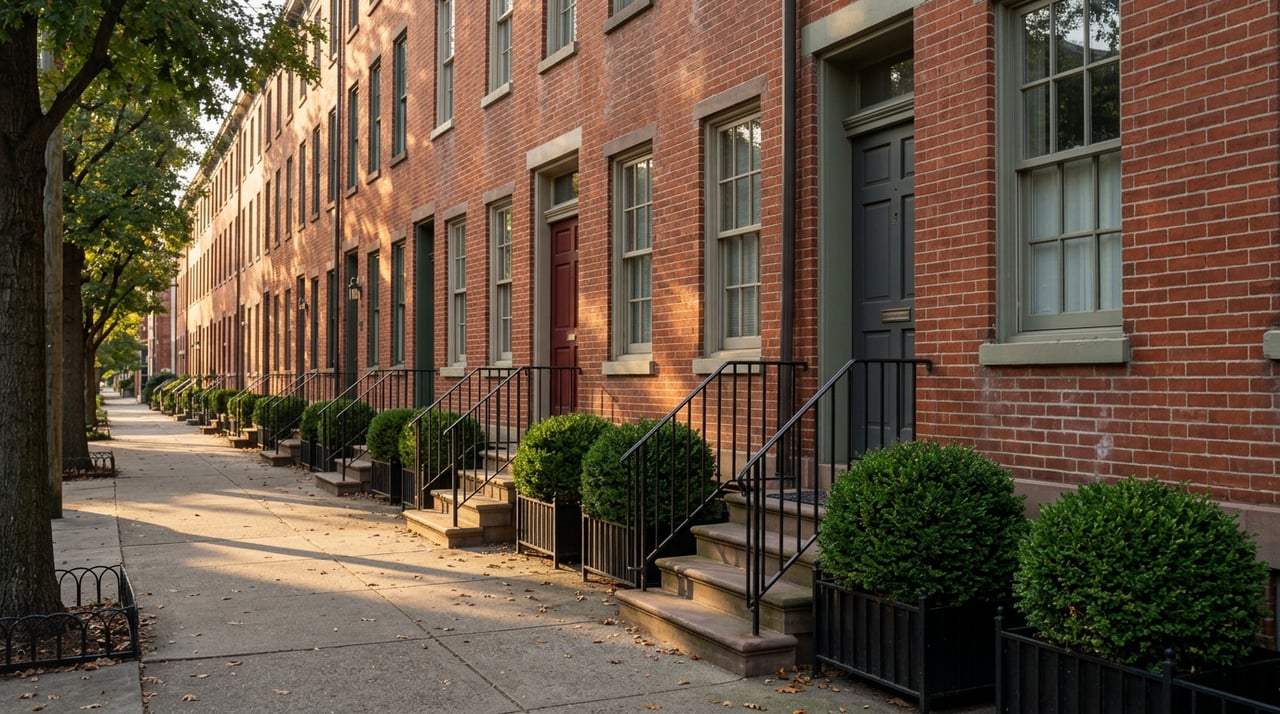
One of the clearest signs of Carroll County’s small-town character is its collection of traditional downtown areas. In Westminster, the city describes its downtown as a Maryland-designated and nationally accredited Main Street located within a National Historic District, with locally owned businesses, wide sidewalks, mature shade trees, and historic architecture.
That type of setting changes how a place feels day to day. You are not just driving from subdivision to shopping center. In some parts of the county, you can spend time in older downtown blocks that still serve as visible community anchors.
Sykesville offers another example of preservation shaping local identity. The town says that more than 20 buildings have been restored or rehabilitated, including the 1884 B&O Train Station, and the historic area is listed on the National Register of Historic Places.
New Windsor also emphasizes continuity between past and present. On its history page, the town states that it aims to preserve its small-town atmosphere while welcoming new families. For buyers who want a sense of place, that balance can be appealing.
Small-town living is not just about architecture or lot size. It is also about the rhythm of the year and the kinds of recurring events that bring people into shared public spaces.
For example, Downtown Westminster’s farmers market has operated for more than 30 years and is described as the county’s oldest producer-only market with the longest season. The same venue information also notes the annual Flower & Jazz Festival.
Sykesville’s calendar includes community events such as a Main Street parade and a craft beer festival, which points to an active civic calendar even in a smaller-scale setting. For many buyers, that kind of programming adds to the feeling that daily life is connected to the town itself, not just to private homes.
If Carroll County feels different from nearby suburban markets, the housing stock is a major reason why. A county housing study reports that about 77% of the county’s housing stock is single-family detached, which is a much larger share than in the broader Baltimore metro area. The same study notes that 45% of homes were built before 1980.
That mix helps explain why the county often feels more open and established. You are more likely to see detached homes, older housing, and development patterns that reflect decades of gradual growth rather than high-density buildout.
The county’s zoning guide adds more context. Residential lot minimums range from 7,500 square feet in R-7,500 zoning to 40,000 square feet in R-40,000 zoning, while agricultural zoning starts at 1 acre and conservation zoning starts at 3 acres.
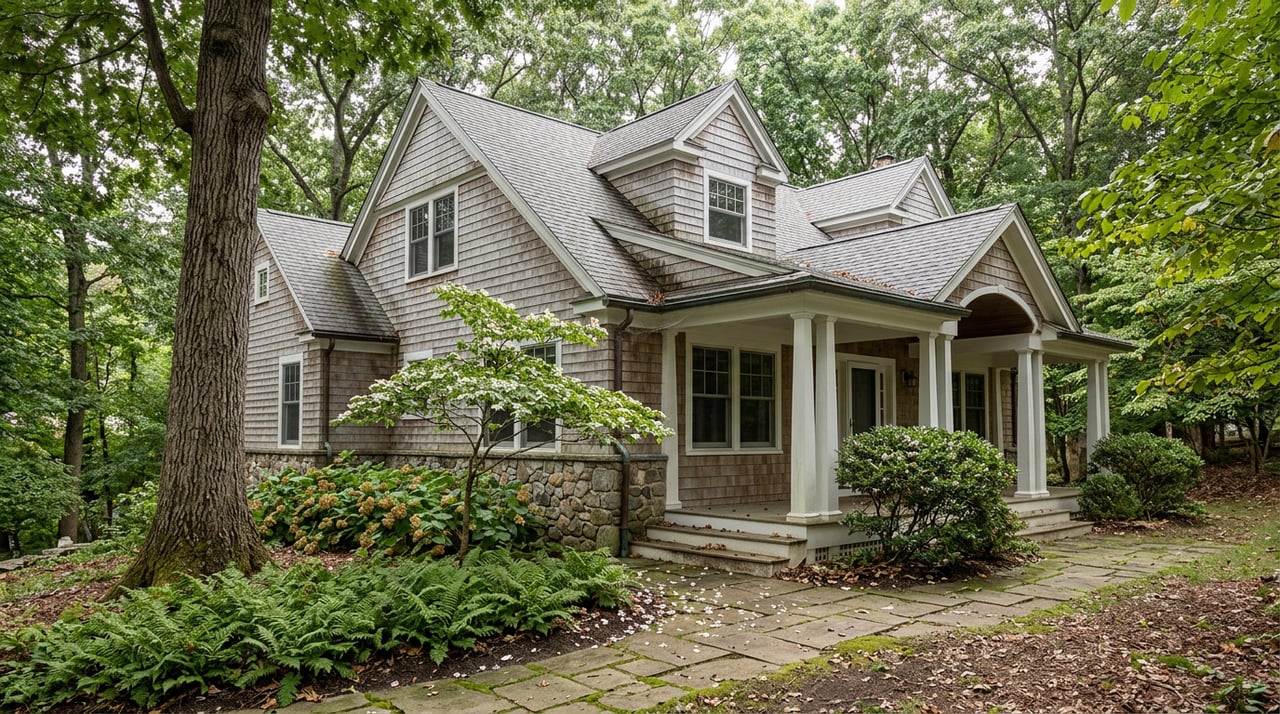
For buyers, that often translates into more breathing room. Depending on where you look, you may find historic in-town homes, older detached houses on established lots, or more open rural properties with larger land footprints.
While every home search is different, the county’s housing study and zoning framework help set realistic expectations. In broad terms, Carroll County offers:
The county zoning guide also notes that higher-density areas can include some two-family, townhouse, multifamily, and retirement-home options through planned unit developments. Still, detached homes remain the predominant use.
If your goal is space, lower perceived density, and a more traditional neighborhood pattern, Carroll County may line up well with that wish list. If you want a highly urban lifestyle, the county may feel quieter and more residential by comparison.
Another key part of the county’s small-town feel is stability. The county housing study reports that more than half of homeowners have lived in their homes for more than 15 years, and only 3% moved in since 2021.
That kind of long tenure can shape the character of a market. Homes may come available less often, and some neighborhoods can feel especially established because many residents have been there for years.
For buyers, patience and preparation may matter. For sellers, limited turnover can create meaningful opportunities when a well-prepared home does come to market.
Carroll County’s pace is also shaped by how easy it is to get outside. Carroll County Recreation & Parks says the county manages more than 4,800 acres of parkland and more than 30 parks, giving residents access to a wide range of outdoor spaces.
Piney Run Park includes a 300-acre lake along with hiking trails, boating, and fishing. The same county parks page notes that Hashawha Environmental Center offers 320 acres, 5 miles of multi-use trails, Lake Hashawha, and the restored Martin Cabin Homestead.
In Sykesville, the town says its parks, trails, and fitness areas are woven into neighborhood settings and open from dawn until dusk. That is an important distinction. In Carroll County, outdoor recreation is not always a special trip. In many areas, it is part of ordinary daily life.
If you are drawn to historic downtowns, detached homes, more open land patterns, and a quieter home base within reach of larger cities, Carroll County offers a strong case. The county combines practical commuting access with a more settled housing market and a network of towns that still feel distinct from one another.
It can be a smart fit if you value space and a slower pace without wanting to leave Central Maryland behind. As you compare towns, home styles, and commute patterns, it helps to work with a local team that can guide you through the tradeoffs and opportunities in each part of the county.
Whether you are buying your first home, relocating, or preparing to sell and move within the region, Vsells & Associates can help you make sense of the market and plan your next step with confidence.

Whether you are buying or selling, we at VSells & Associates make it our mission to guide our clients through the whole process. We make moving simple, straightforward, and as stress-free as possible.