Rowhome Living Around Patterson Park And The Waterfront
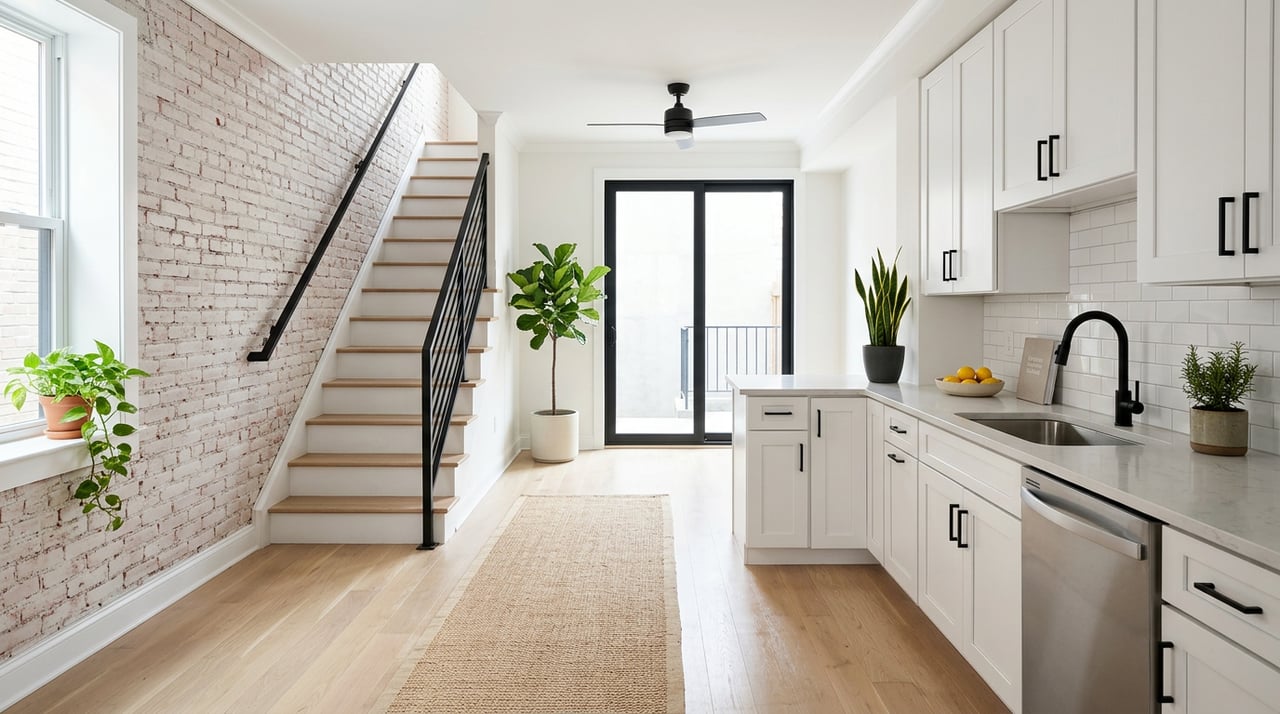
What if your evening walk could include a sunset over the harbor or a quick loop around a historic city park that feels like your own backyard? If you are weighing a move from the suburbs or relocating to Baltimore, the rowhome blocks around Patterson Park, Canton, and Fells Point offer an easy, on-foot lifestyle that is hard to match. In this guide, you will learn what daily life looks like, how the homes live, how parking and transit work, and what to expect with renovations and historic rules. Let’s dive in.
Picture this: you leave your rowhome, pick up a coffee, and in five minutes you are in the open green of Patterson Park. Later, you stroll 10 to 15 minutes to the Canton promenade for a waterside run or dinner. This area is built for short walks to parks, dining, and errands. The city’s planning documents confirm that the waterfront promenade links key neighborhoods, making it a prized route for walking and biking along the harbor. You can review the corridor context in the City’s Maritime Master Plan.
Patterson Park functions like a shared backyard for nearby rowhouse blocks. Locals use the Pagoda overlook, the boat lake, ball fields, the recreation center, the dog area, and even a seasonal ice rink for everyday exercise and gatherings. You can see these amenities mapped in the Patterson Park Master Plan. The neighborhood’s walkability often lands in the mid 80s on Walk Score, which means you can tackle many daily errands and fitness on foot.
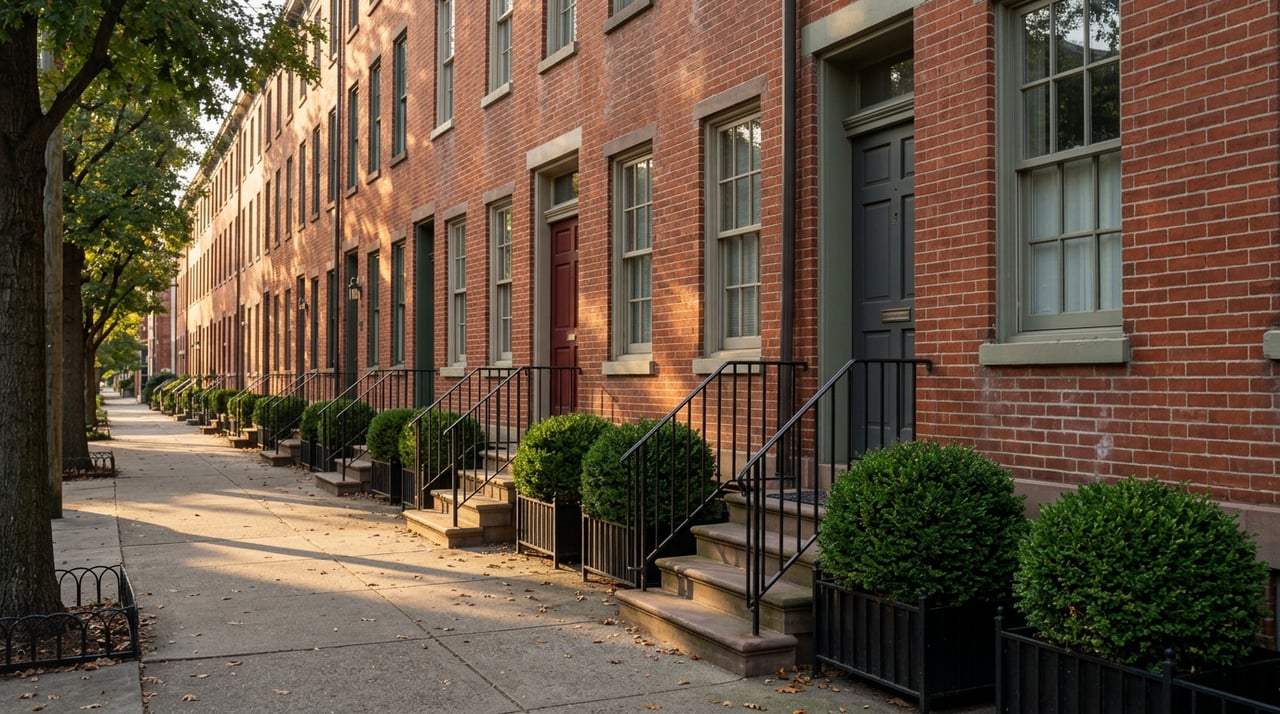
What to expect on nearby streets: a mix of modest brick rows and smaller alley houses, steady dog-walking and joggers headed to the park, and corner cafés or markets used as weekly staples. If you love green space outside your door, this area delivers.
Canton centers on the waterfront, with a continuous promenade, Canton Waterfront Park, and a lively square of restaurants and bars. Residents treat the promenade like a daily track for runs, bike rides, and evening strolls. Explore local park highlights on the Canton community parks page. Walkability typically rates in the high 80s, which supports a mostly on-foot lifestyle for shopping, dining, and errands.
Blocks closer to the water draw more visitors and often carry a price premium. Inland mid-blocks can feel a touch quieter yet still walk you to Boston Street in minutes. Either way, the harbor is a part of daily life here.
Fells Point is a historic waterfront district with Belgian-block streets, small waterfront landings, and a compact strip of pubs, cafés, and shops along Thames and Broadway. It blends residential life with a well-known visitor scene, especially on weekends. Learn more about the district’s history and vibe in the Visit Baltimore Fells Point guide. Walkability often scores in the 90s, which means you can treat daily errands like a short stroll to the corner.
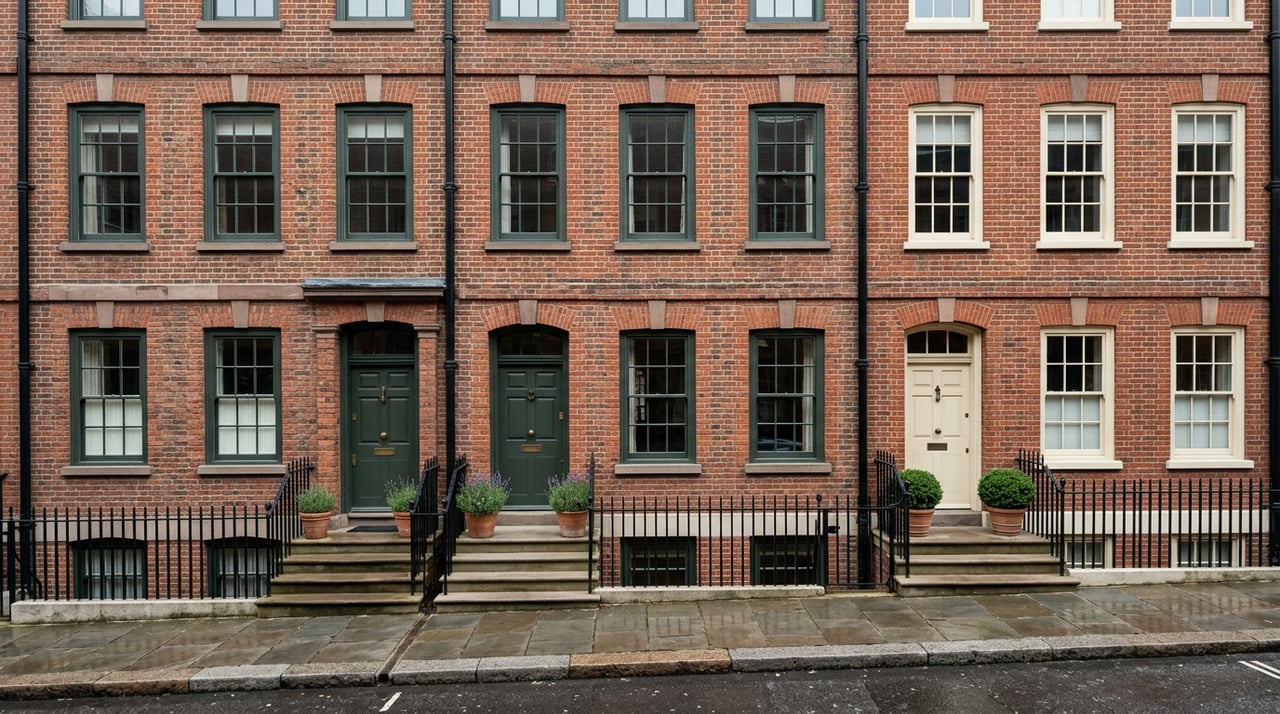
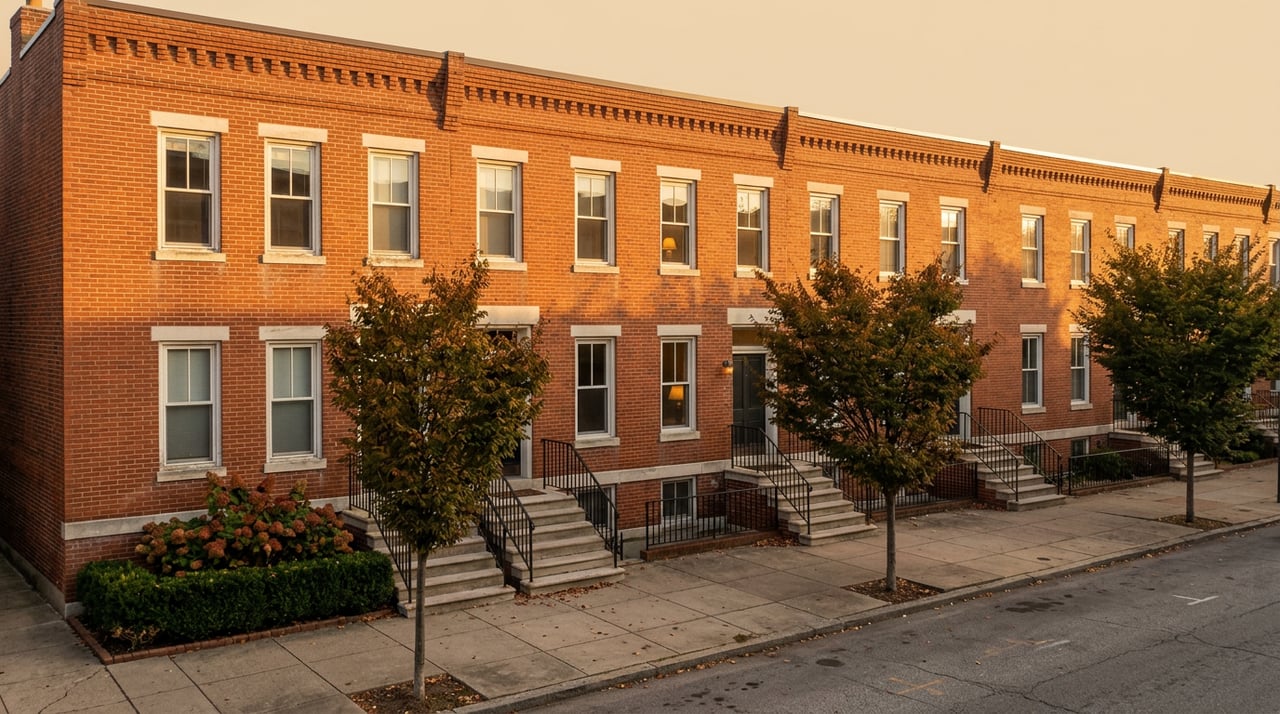
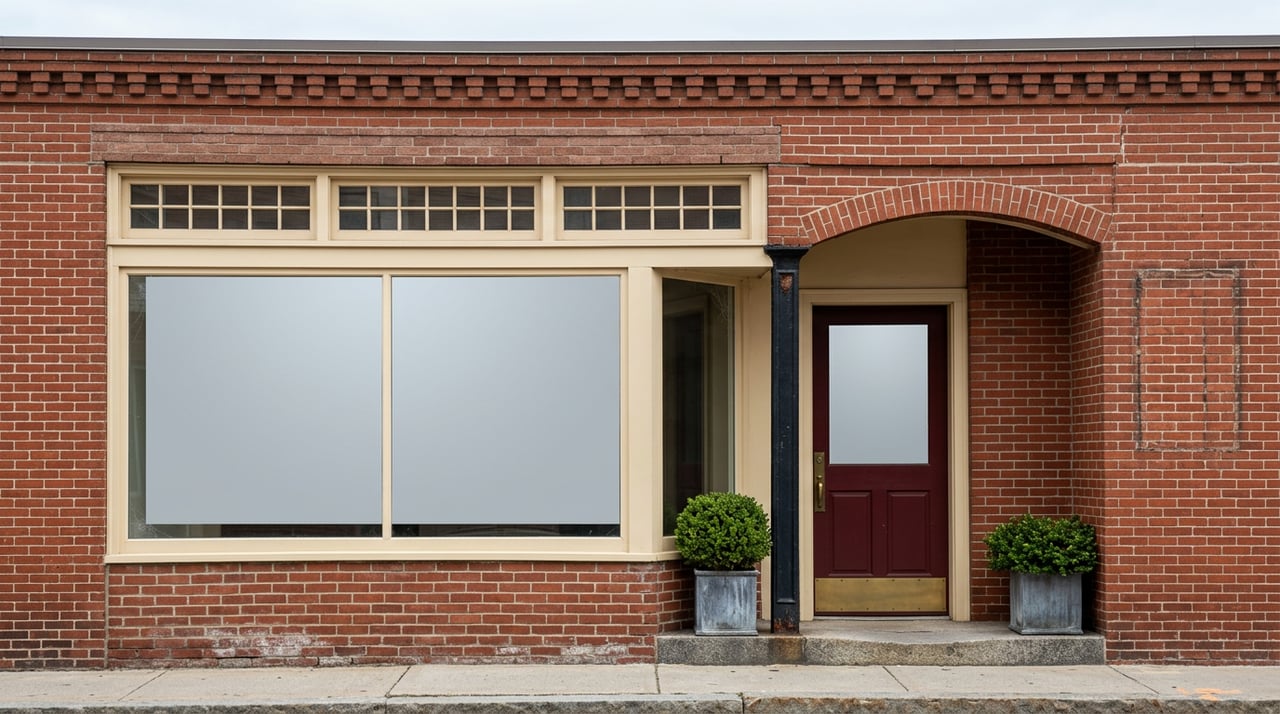
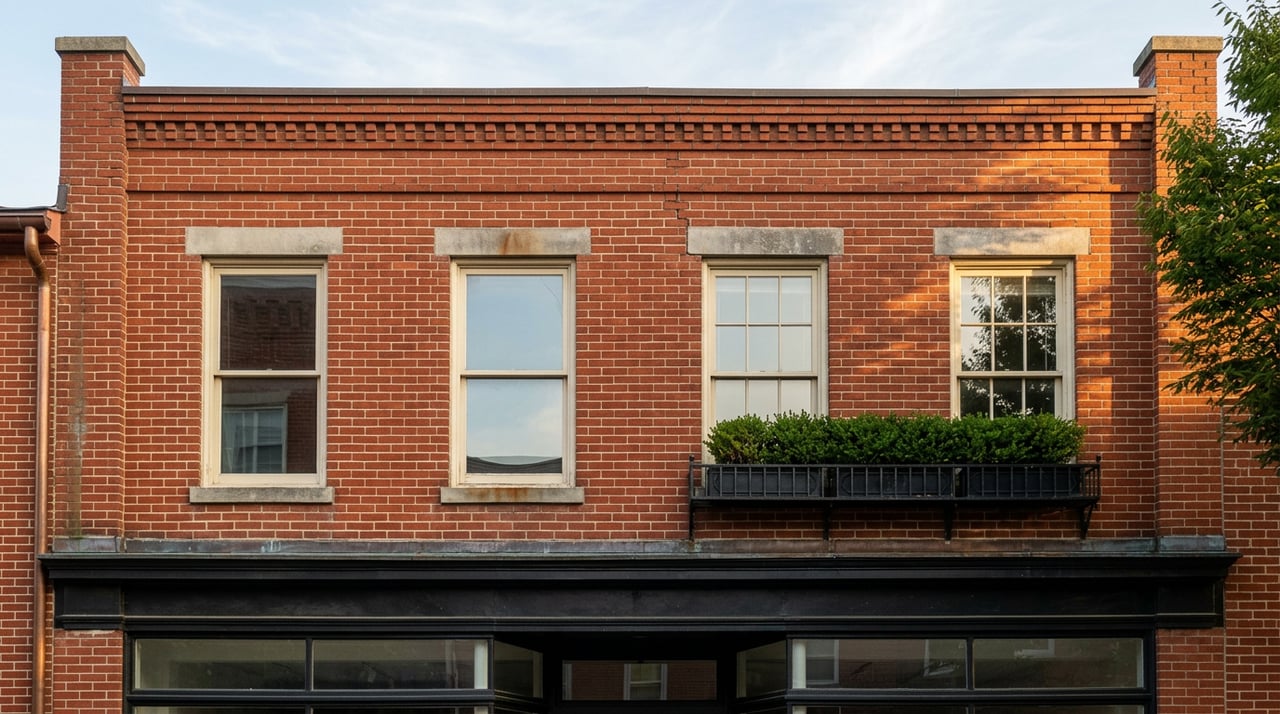
Baltimore’s classic housing type is the brick rowhouse. These homes were built in waves from the 18th to early 20th century, so you will see a range of widths and facades, from narrow alley houses to larger bay-front rows on main streets. The City’s preservation materials explain these patterns and how they evolved over time. For a deeper look, review the context in the CHAP staff report.
What this means for you: expect vertical living with stacked levels, narrower rooms than a typical suburban single-family, and limited yard space. Many owners add skylights, open some interior walls, or build a permitted rear or rooftop addition where allowed. If you are moving from a larger footprint, plan your furniture and storage strategy early.
In general, blocks closer to the waterfront in Fells Point and Canton trade at a premium, while interior blocks near Patterson Park often provide more entry-level options. Prices also vary block by block based on recent renovations and proximity to the promenade or park. Rather than focus on a single number that changes month to month, it is smart to tour a few sample homes in each pocket to feel how far your budget goes. You can compare renovated two-bed rows near the park with three-level homes closer to the harbor to dial in your tradeoffs.
Also factor city real property taxes into your monthly carry. Baltimore City’s tax rate is set at the city level. For current rates and context, review recent public reporting on the Board of Estimates’ FY2026 certification and use an up-to-date calculator at the time you buy.
These neighborhoods make a car-optional lifestyle realistic for many daily needs. Still, you have multiple transit and shuttle choices for broader commutes.
Street parking is the norm in these rowhome neighborhoods. Availability tightens near parks, squares, and the waterfront, especially in evening and weekend hours. Many areas use Residential Permit Parking zones managed by the Parking Authority of Baltimore City. For current rules, permits, and visitor passes, go to the PABC Residential Permit Parking portal.
Permit coverage can change at a block level based on local petitions and policy updates. Past planning efforts in Canton have included special permit actions and moratorium discussions, which is a reminder to confirm the latest status for your specific address. If parking flexibility is key for you, target blocks with easier curb turnover and build a plan for guest passes.
Many buyers choose these rowhomes for the chance to add value. Common projects include opened first floors, modern kitchens and baths, finished basements, and rooftop access or rear extensions where permitted. Narrow lot widths, shared party walls, and older systems will shape your approach.
Use this list to focus your first walk-throughs.
Compared with a suburban single-family, you trade a large private yard and driveway for a denser, walkable neighborhood where dining, parks, and the harbor are part of your routine. Typical rows are about 12 to 16 feet wide, with stacked levels and minimal setbacks, while a suburban lot might be 40 to 60 feet wide with a garage. If you value an easy daily loop on foot, quick access to green space and water, and a lively street scene, these neighborhoods deliver. If you want low-maintenance living with car-first convenience, try targeting blocks with simpler parking and homes that already have system updates.
If rowhome life around Patterson Park, Canton, or Fells Point sounds right for you, start with a few sample tours across different blocks to lock in your tradeoffs. Our team can help you compare renovation levels, understand parking nuances, and navigate historic reviews with confidence. When you are ready, reach out to Vsells & Associates for thoughtful guidance and on-the-ground expertise.

Whether you are buying or selling, we at VSells & Associates make it our mission to guide our clients through the whole process. We make moving simple, straightforward, and as stress-free as possible.