What if your morning coffee came with birdsong, tree views, and enough space to park a trailer or set up a woodworking bench? If you have been thinking about trading a subdivision lot for more privacy and room to breathe, Glenwood in western Howard County might be your sweet spot. You want the lifestyle upgrade without losing access to jobs, schools, and everyday conveniences. This guide shows you what acreage living in Glenwood feels like, plus the practical checklist you should know before you buy. Let’s dive in.
How Glenwood feels
Glenwood sits along MD Route 97 in western Howard County. The area feels rural‑suburban, with rolling hills, mature trees, and clusters of single‑family homes on larger lots. You will find daily services along the Route 97 corridor, with community anchors like the Glenwood Branch Library and the Gary J. Arthur Community Center close by.
Most Glenwood addresses are served by Bushy Park Elementary, Glenwood Middle, and Glenelg High within the Howard County Public School System. Always verify school assignments by address using the HCPSS school directory. ZIP‑level data for 21738 also show high owner occupancy and household incomes and home values that are above national averages, which supports long‑term demand for single‑family homes in this part of the county.
Nearby parks add to the weekend options. Western Regional Park offers trails and fields for casual walks, youth sports, and fresh air without a long drive. The overall rhythm is quieter than inner‑suburb blocks, yet daily needs and recreation are still close.
Commute and distance basics
Glenwood gives you space without stranding you far from major job hubs. Typical non‑peak drives can look like this:
- Columbia: about 15 to 25 miles, roughly 20 to 30 minutes depending on route and traffic.
- Washington, DC: about 25 to 35 miles, roughly 35 to 50 minutes with normal flow.
- Baltimore: about 35 to 45+ miles, roughly 40 to 60+ minutes based on congestion.
Actual times vary by address and time of day. For a quick reference on the DC drive, see this Glenwood to Washington distance overview, then map your specific address for accuracy.
What you get on 1–5 acres
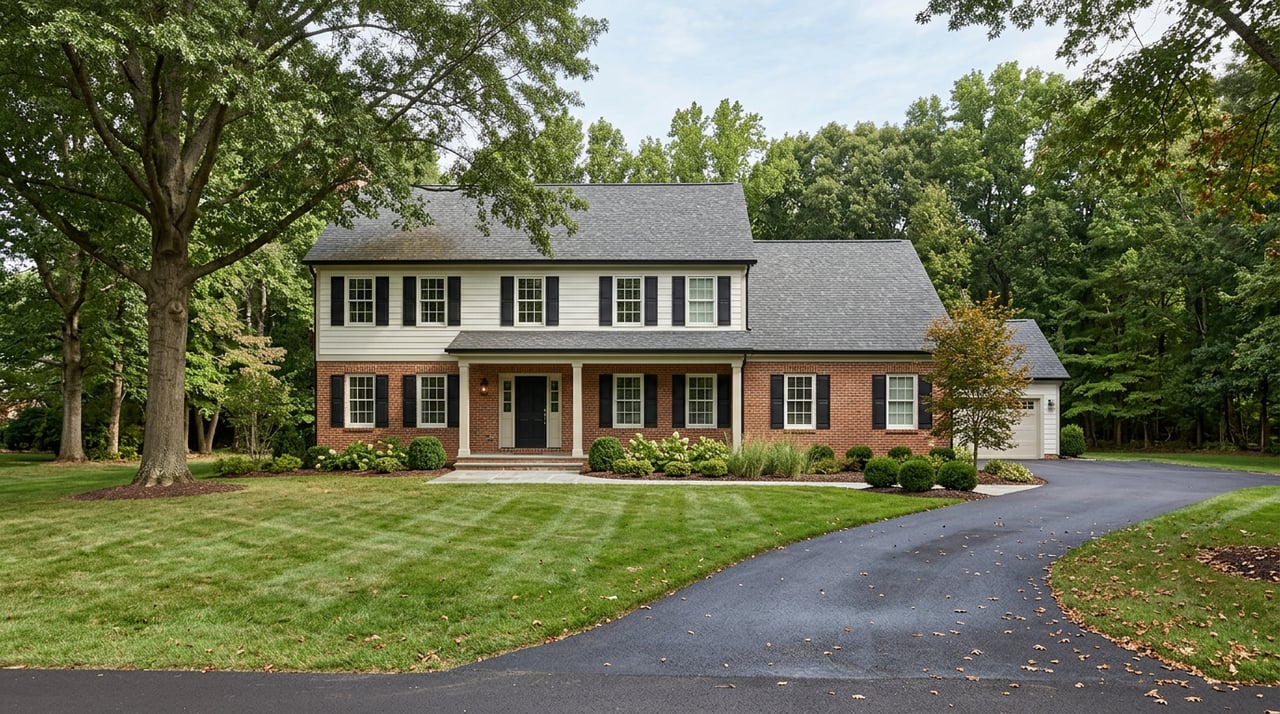
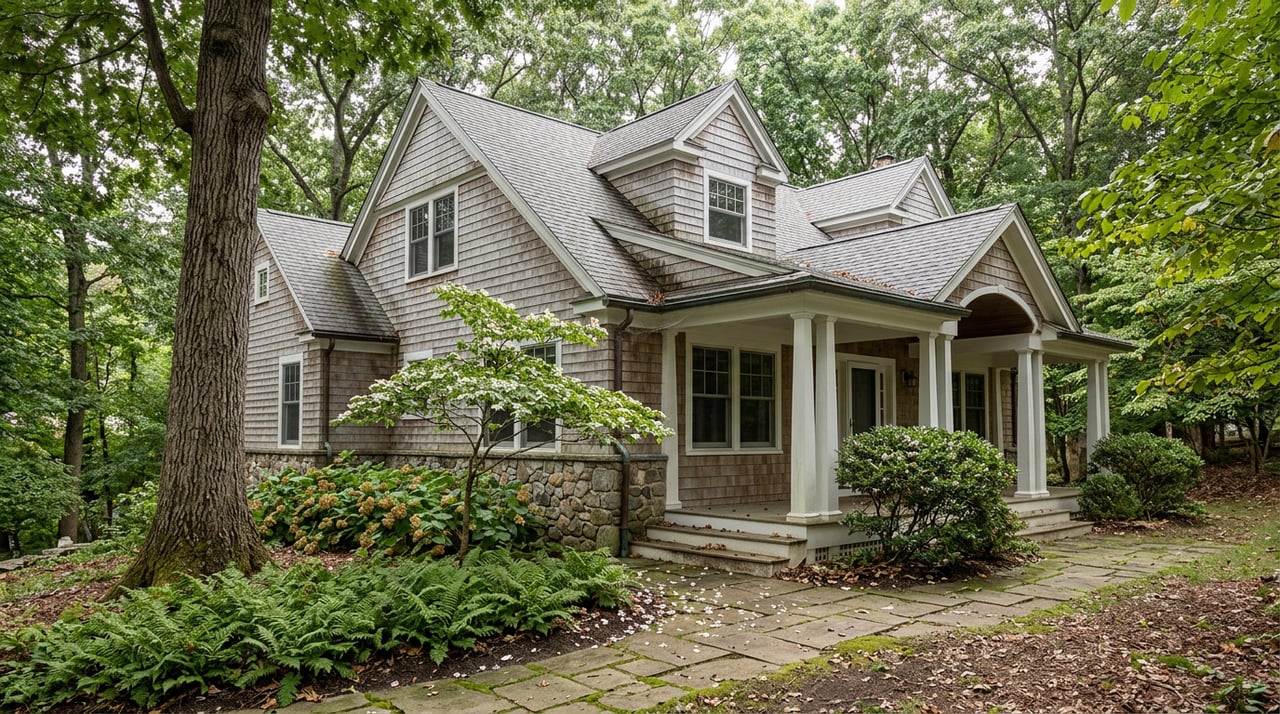
If you are moving up from a 0.2 to 0.4‑acre yard, Glenwood can feel like a reset. Many parcels are roughly 1 to 5 acres, with some larger. You will often see expansive backyards, wooded buffers for privacy, and long driveways that set homes back from the road.
Common features include detached or oversized garages, workshops, and finished lower levels that flex for hobbies or multigenerational needs. Outdoor living is part of the appeal, with porches, decks, and fire pit areas that extend your usable space most of the year. If you want built‑in social and recreation, optional membership at Cattail Creek Country Club adds golf, tennis, and events close to home.
Many properties use private wells and on‑site septic systems. That setup works well when maintained, and it is common for larger‑lot homes in western Howard County. See the checklist below for what to confirm before you write an offer.
Practical checklist for acreage buyers
Water, sewer, wells, and septic
- Service area status. Many Glenwood parcels sit outside the county’s immediate planned public water service areas and outside the Metropolitan District. That often means a private well and septic system. You can verify a parcel’s status on the Howard County Interactive Map, the county’s Planned Service Area for Water, and the Metropolitan District Boundary map.
- Oversight and records. The Howard County Well & Septic Program manages percolation testing, permits, and inspections and maintains public records. For any home you are considering, request well and septic records, confirm system age and location, and plan a specialized septic evaluation and well water testing during inspections.
- Bay Restoration Fund fee. Homes on septic in Howard County are billed a recurring Bay Restoration fee. Review the county’s billing details on the Real Property Tax page so you can budget correctly.
Zoning and buildability
- Parcel permissions. Zoning governs what you can add or do on your property, including barns, detached garages, home occupations, and setbacks. Start with the parcel layer and scanned plans on the Interactive Map, then review the Howard County Zoning Regulations for allowed uses in your district.
- Subdividing or building. If you are eyeing a lot split, an arena, or a larger outbuilding, confirm feasibility early. Soil conditions, perc results, easements, and setbacks all matter. The county’s Department of Planning and Zoning can guide you on next steps for your specific parcel.
Maintenance and ongoing costs
- Grounds and access. Larger yards and wooded buffers mean more mowing, leaf work, brush management, and occasional tree care. Long driveways may need snow clearing and gravel top‑ups. Many owners hire seasonal help or invest in equipment to manage routine chores.
- Well and septic care. Plan on routine well testing and septic pumping and inspections. Some systems may require upgrades, and advanced nitrogen‑reducing systems can carry higher annual service costs. The Maryland Department of the Environment offers background on upgrade programs and costs, and the University of Maryland Extension explains homeowner responsibilities for BAT systems. For context, major septic repairs or replacements can range from high four figures to low five figures depending on site conditions. See MDE’s program background and UMD Extension’s septic maintenance guidance.
Taxes, insurance, and inspections
- Property taxes. Howard County applies a real property tax rate per 100 dollars of assessed value. Review the current adopted rate and effective date on the county’s Real Property Tax page, and remember the Bay Restoration fee if you are on septic.
- Insurance. Larger homes and outbuildings may change your policy needs. Ask your insurer about rural homeowners coverage, outbuilding limits, and liability if you plan to keep equipment or livestock.
- Inspections. In addition to a standard home inspection, schedule a septic evaluation and comprehensive well water testing. The county’s Well & Septic Program outlines testing, permits, and public record access you can use during due diligence.
Resale and market considerations
Acreage buyers often value privacy, hobby space, and access to high‑quality schools. Constraints can include higher maintenance, the chance of septic or well work, and a somewhat smaller buyer pool than typical subdivisions. If you plan to sell in the future, features that help resale include flexible storage, a well‑maintained driveway, updated kitchens and baths, and documented well and septic service.
Lifestyle snapshots
- Weekends feel different. Pick apples at a nearby orchard, tend a backyard garden, or spend an afternoon in your workshop. End the day with a simple bonfire under a clearer, starrier sky.
- Parks and play. Enjoy casual walks or youth sports at Western Regional Park. The Glenwood Branch Library and Gary J. Arthur Community Center keep programs and classes close to home.
- Space for hobbies. With the right zoning and approvals, you may be able to store a boat or trailer, set up a woodworking shop, or plan a small riding area. Always confirm allowed uses and setbacks for your lot.
- Community when you want it. Optional membership at Cattail Creek Country Club gives you a built‑in social hub without leaving your side of the county.
Is Glenwood acreage right for you?
You might be a fit if you:
- Want more privacy and outdoor space while staying connected to Columbia, Baltimore, or DC.
- Are comfortable budgeting for grounds care, well and septic maintenance, and seasonal chores.
- Value flexible storage for hobbies or equipment and a quieter, low‑density setting.
- Prefer a single‑family, owner‑occupied community character with access to county parks and programs.
When you are ready to explore, lean on a local team that knows Glenwood parcels, zoning, and well and septic due diligence. If you are selling a current home to make this move, we can help value, prep, and market it while we find the right acreage fit. Connect with Vsells & Associates to start your plan today.
FAQs
Will I be on well and septic in Glenwood?
- Many parcels use a private well and an on‑site septic system; confirm service area and utility status on the Interactive Map and review the Well & Septic Program records for your address.
How much maintenance should I expect on 1–5 acres?
- Budget for regular mowing, leaf and brush work, driveway upkeep, snow clearing, well testing, and septic pumping, plus a reserve for potential septic repairs or upgrades per UMD Extension.
Can I keep horses or build a barn in Glenwood?
What are typical Glenwood commute times?
- Non‑peak drives can range roughly 20 to 30 minutes to Columbia, 35 to 50 minutes to DC, and 40 to 60+ minutes to Baltimore; map your exact address and time of day, and see this Glenwood to Washington reference.
How do property taxes work for acreage homes?
- Howard County applies a real property tax per 100 dollars of assessed value and bills a Bay Restoration fee for septic users; review current rates and details on the county’s Real Property Tax page.