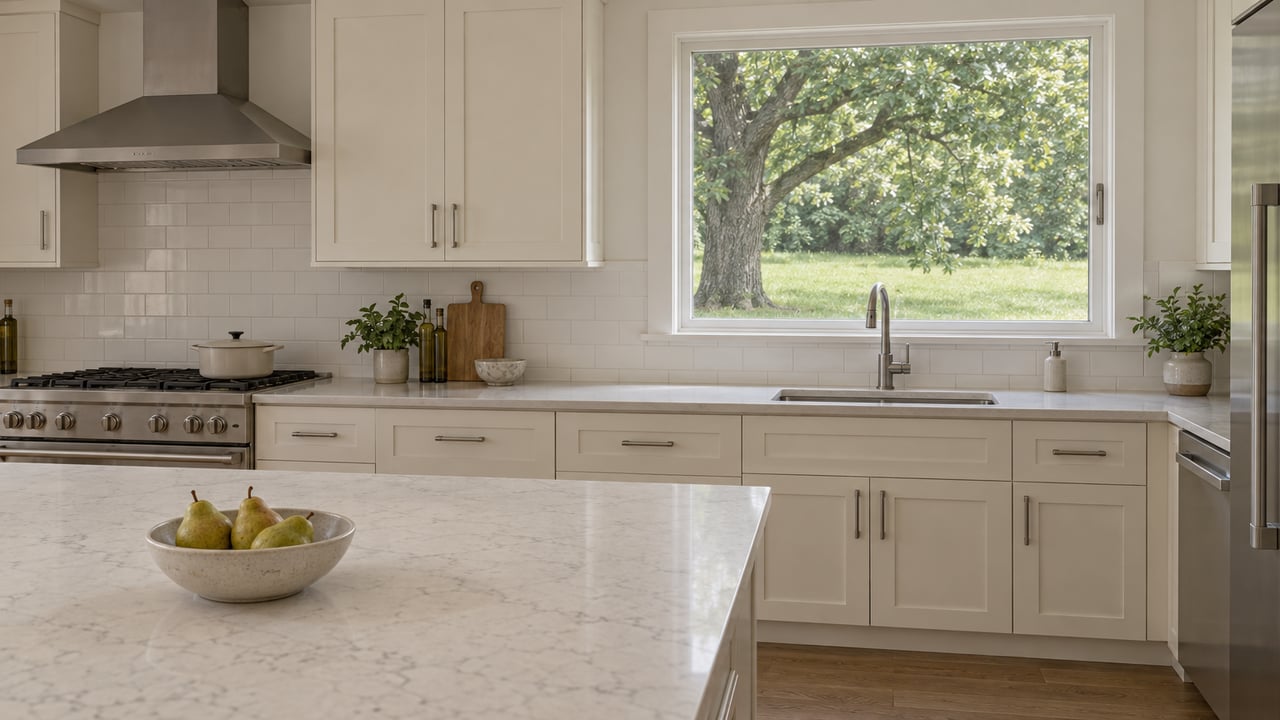
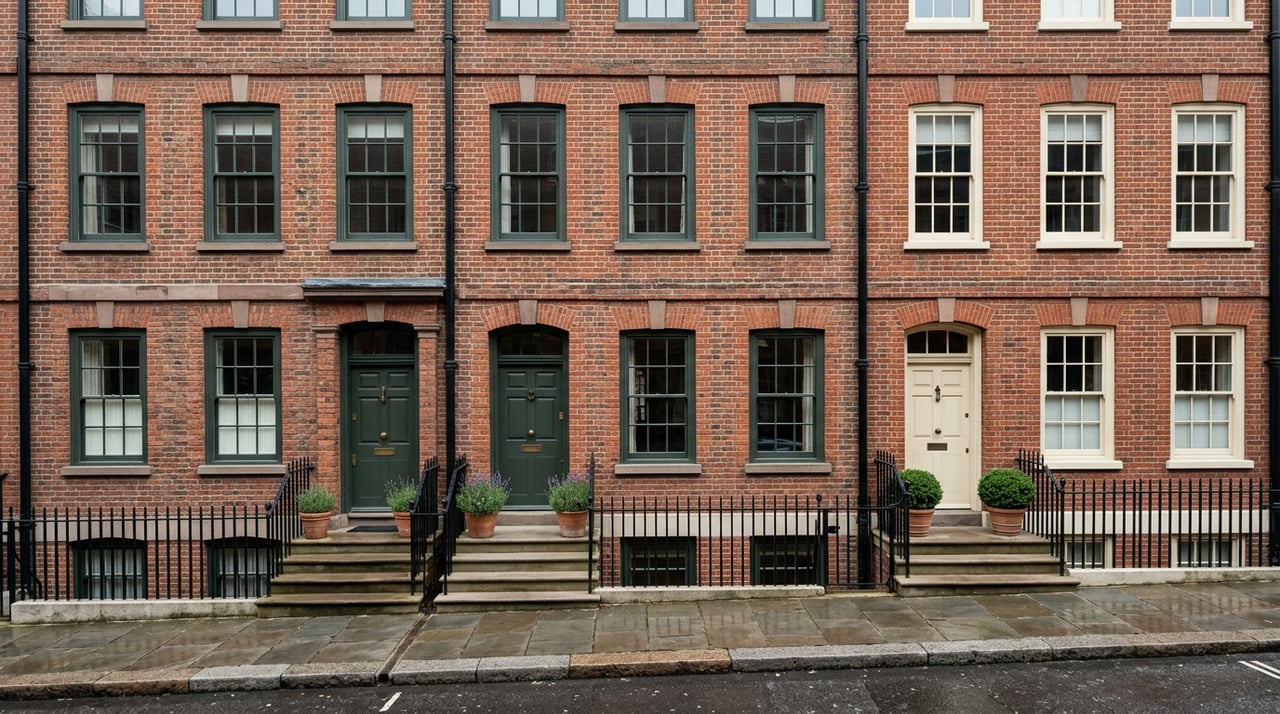
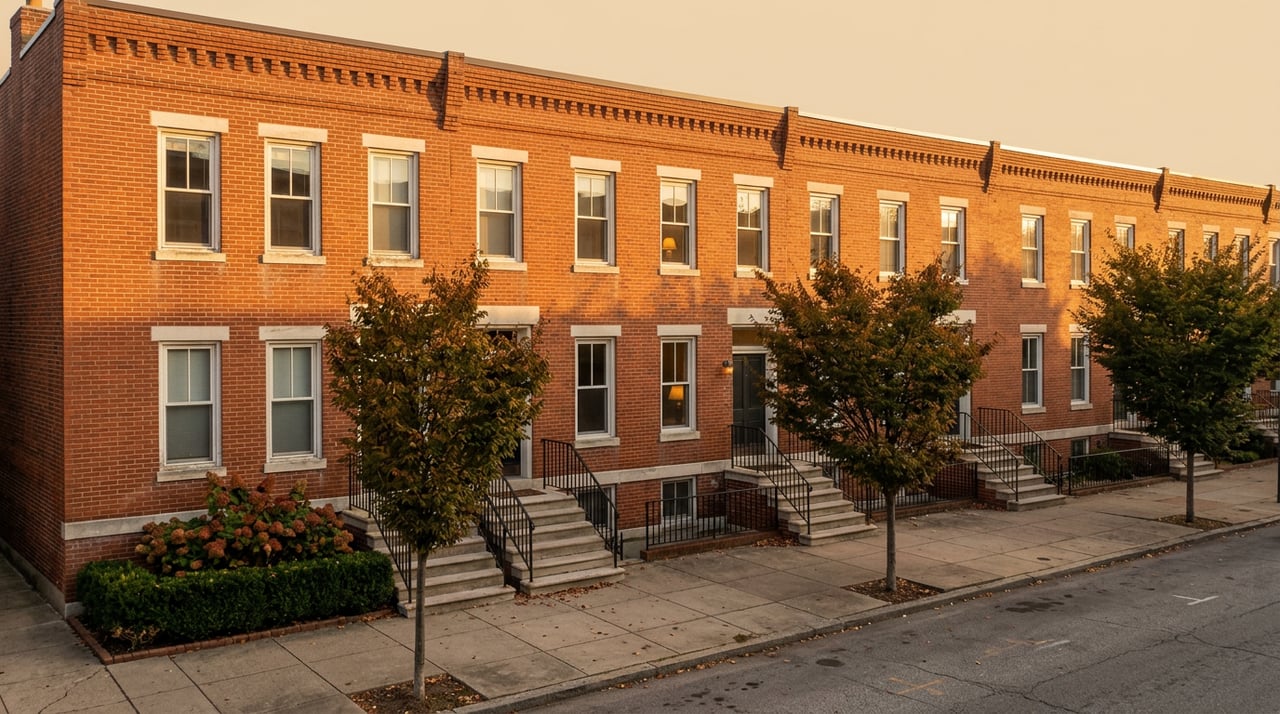
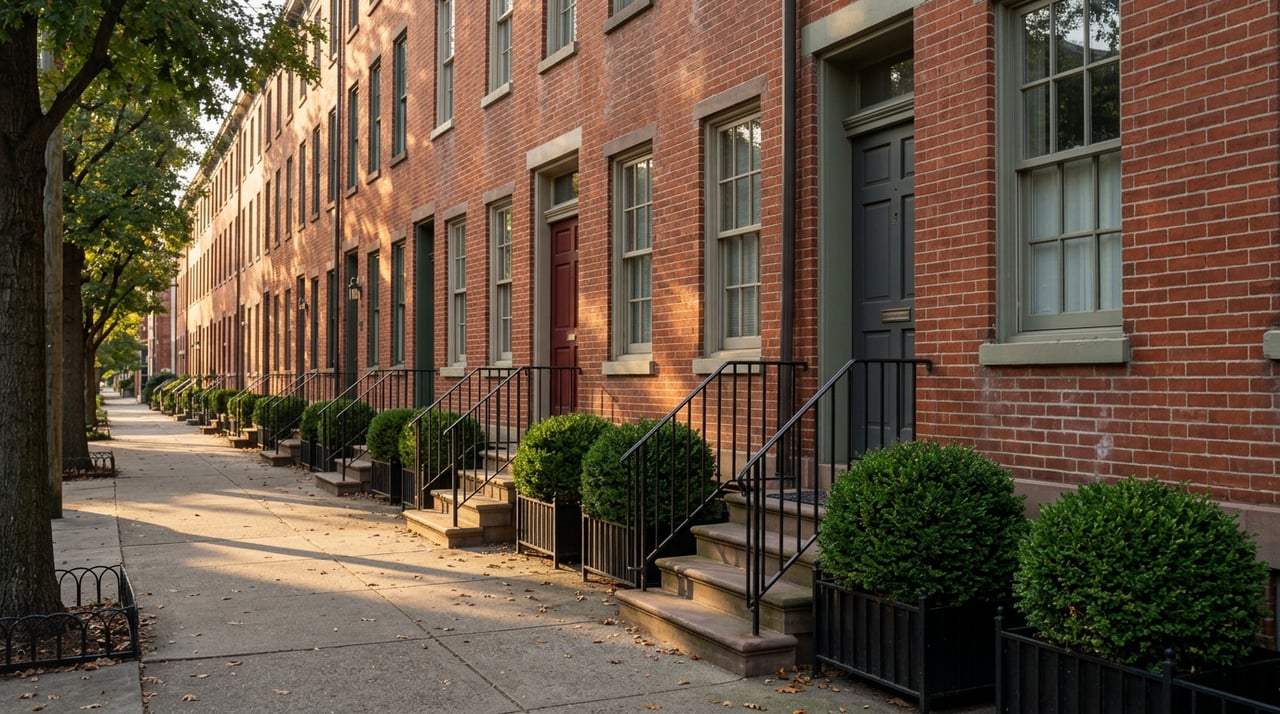
Shopping for a home in Baltimore County and noticing how a classic Colonial feels different from a low-slung rancher? You are not imagining it. Style often signals the floor plan, the kind of foundation, and which updates will cost more or less. In this guide, you will learn how to spot the most common local styles, what layouts to expect inside, and which improvements add value without overextending your budget. Let’s dive in.
How Baltimore County grew
Baltimore County’s neighborhoods reflect distinct waves of growth. Early villages and crossroads include brick and stone homes from the 18th and 19th centuries. Streetcar suburbs around Towson, Catonsville, and Lutherville brought Colonial Revival and foursquare homes in the late 1800s through the early 1900s. Postwar subdivisions added large numbers of Cape Cods, ranches, split levels, and modest Colonials from the 1940s through the 1960s. Later decades brought infill and contemporary renovations.
Why this matters: style often hints at layout and systems. You can anticipate whether bedrooms are upstairs or on one level, whether a basement is likely, and where original mechanicals may sit. In some areas, local historic guidelines apply, and exterior changes may require review. Baltimore County permits are typically needed for structural work, additions, and major electrical, plumbing, or HVAC changes.
Visual glossary of home styles
Colonial Revival
- Era and look: Late 1800s to mid 20th century with several revivals. Expect symmetry, a centered front door with a small portico or pediment, multi-pane double-hung windows, and a gabled or hipped roof. Brick and wood siding are common.
- Layout and materials: Often a center-hall or side-hall plan with formal living and dining in front, kitchen toward the rear, and bedrooms upstairs. Full basements are common in this region.
- Value-smart updates: Many Colonial kitchens sit in a rear wing. Opening to the dining or family area can work with engineered support where needed. Preserve curb-appeal elements like the entry surround, windows, and moldings to keep the classic look that buyers value.
- Buyer notes: Look for original trim, staircases, and fireplaces, and ask about prior renovations. In older examples, check for sagging floors along the center hall and evaluate electrical and plumbing age.
Federal
- Era and look: About 1780 to 1830, seen in older villages. The style is refined and restrained with low-pitched roofs, brick exteriors, narrow windows, and elliptical fanlights or transoms above the door.
- Layout and materials: Compact center- or side-hall plans with smaller rooms and lower ceilings than later homes. Interiors often feature fine masonry and carved woodwork.
- Value-smart updates: Focus on sensitive modernization of kitchens and baths while preserving mantels, trim, and masonry. Window and masonry work typically requires specialists. In historic areas, plan ahead for review of exterior changes.
- Buyer notes: Older systems may need attention. Check for evidence of water intrusion, and verify the condition of chimneys and flashing.
Cape Cod
- Era and look: Popular in the 1930s to 1950s and throughout the postwar suburbs. One to one-and-a-half stories with a steep side-gabled roof, simple rectangular footprint, and often dormers in front.
- Layout and materials: Efficient rooms with smaller original kitchens and baths. Bedrooms may sit in the half-story under the roof. Wood siding and modest trim are typical.
- Value-smart updates: Adding or enlarging dormers can transform upstairs headroom and usability. Rear additions often expand the kitchen and living area. Reworking compact kitchens and baths delivers an outsized impact.
- Buyer notes: Examine dormers for proper integration and roof ventilation. Check attic insulation levels, roof age, and window operability.
Rancher
- Era and look: Widespread from the 1940s to 1960s with continued variations later. One story with a long, horizontal profile, low-sloped roof, attached garage, and large picture windows or sliders to the backyard.
- Layout and materials: Single-level living with bedrooms off a hall and an open or semi-open living, dining, and kitchen zone. Many Baltimore County ranchers have basements, though some sit on slabs.
- Value-smart updates: Open-plan conversions are often straightforward since interior partitions may not carry loads. Kitchen expansions into a family area are popular. Finishing the basement can add flexible living space.
- Buyer notes: Confirm the foundation type and condition. On older properties, ask about former oil tanks and check any garage-to-living conversions for permits and insulation.
Contemporary
- Era and look: Mid 20th century to present, including mid-century modern and later infill. Expect asymmetry, clean lines, large glass walls, mixed materials like stone or stucco, and careful site integration.
- Layout and materials: Open plans with strong daylight. Some mid-century homes use multi-level split layouts. Exposed structure and floor-to-ceiling glazing can be character-defining.
- Value-smart updates: Preserve light and openness. Energy improvements like HVAC upgrades and better glazing often make sense, though large spans of glass can raise costs. Modern finishes align well with the style’s clean lines.
- Buyer notes: Review window condition and thermal performance. Inspect flat or low-slope roofs and any cantilevers for maintenance needs.
How style shapes updates
- Structure and space: Center-hall Colonial and Federal layouts often include key load-bearing walls. Creating a fully open plan may require engineered beams or rethinking the kitchen in a rear wing. Cape Cods add space most effectively with dormers or a rear addition. Ranchers tend to simplify reconfiguration and accessibility. Contemporary homes are often open already, so changes that reduce light or alter structure can be expensive.
- Systems and safety: Older homes may include outdated wiring, early plumbing, and aging boilers. Plan for modernization and consider inspections for lead paint in pre-1978 homes or asbestos in older insulation. HVAC and insulation upgrades deliver comfort and utility savings across styles.
- Preservation and curb appeal: Original mantels, moldings, staircases, and exterior woodwork add value in the right neighborhoods. Exterior changes to historic homes can trigger review. Balance modern function with the character buyers expect.
- Costs and payoff: Kitchen and bath refreshes, new lighting, paint, and flooring are reliable wins across styles. Bigger structural changes like full dormers, large additions, or moving chimneys carry higher costs and require careful budgeting. Energy improvements can boost marketability and reduce operating costs, especially when incentives are available.
Smart improvement checklists
For buyers: your viewing checklist
- All styles
- Check foundation type and condition: basement, crawl, or slab.
- Verify roof age and flashing around dormers and chimneys.
- Record HVAC, water heater, and electrical panel vintage.
- Look for water intrusion in basements, crawls, and around windows.
- Test window operation. Original wood windows may be repairable.
- Colonial and Federal
- Note original trim, staircases, and fireplaces. Ask about renovation history.
- Look for uneven or sagging floors along center halls.
- Cape Cod
- Evaluate dormers and upstairs headroom. Are dormers original or added?
- Check attic insulation and ventilation.
- Rancher
- Confirm presence and condition of a basement. Slab homes involve different retrofit approaches.
- Ask about any buried oil tanks and review garage conversions for permits.
- Contemporary
- Assess glazing for energy performance and water tightness.
- Inspect flat or low-slope roofs and any structural overhangs.
For sellers: value-smart updates
- Universal
- Fresh neutral paint, decluttering, deep cleaning, and professional photos.
- Curb appeal boosts: landscaping, porch lighting, clear house numbers, and an inviting entry.
- Fix deferred maintenance: roof leaks, HVAC service, and visible water stains.
- Colonial and Federal
- Refresh kitchens while respecting classic sightlines. Restore pantries if present.
- Repair original woodwork and use historically compatible paint colors.
- Cape Cod
- Consider dormer additions if budget allows to unlock upstairs space.
- Reconfigure compact kitchens and update dated baths. Open sightlines modestly.
- Rancher
- Create a modern flow by removing non-load-bearing walls and adding an island.
- Finish or update the basement to add a family room, bath, or guest space.
- Contemporary
- Maximize natural light by simplifying window treatments and interior finishes.
- Improve energy performance with efficient HVAC and appropriate glazing.
Permits and incentives
- Permits: In Baltimore County, plan on permits for additions, structural changes, and major mechanical work. Exterior updates in historic districts may require preservation review.
- Energy incentives: State and federal programs may offset costs for insulation, efficient HVAC, and other upgrades. Check eligibility before you start.
Choose the right fit
If you love formal rooms and classic curb appeal, a Colonial Revival may suit you. If single-level living and an easy open plan are priorities, a rancher delivers comfort and flexibility. For a compact footprint with room to grow, a Cape Cod can expand with dormers or a rear addition. If historic detailing speaks to you, a Federal home offers character with thoughtful modern upgrades. If you want light-filled spaces and clean lines, a contemporary may already align with your wish list.
When you are ready to buy or sell, you deserve a strategy that aligns style, layout, and smart improvements with your goals. If you would like a local plan to maximize your results, connect with the team at Vsells & Associates.
FAQs
What Baltimore County home styles are most common?
- You will most often see Colonial Revival, Cape Cod, and ranchers from postwar suburbs, along with a mix of contemporary infill and some earlier Federal-era homes in older villages.
How can I tell Colonial Revival from Federal?
- Federal homes are earlier and more restrained with low-pitched roofs, narrow windows, and fanlights over the door. Colonial Revival homes are later, often larger, with symmetrical facades, multi-pane windows, and decorative entry surrounds.
Are ranchers good for aging in place?
- Yes. Single-level layouts reduce stairs, and many Baltimore County ranchers have basements for extra space. Open-plan updates are usually straightforward, which helps with accessibility.
Do I need permits for dormers or additions?
- Yes. Structural changes, additions, and major mechanical work typically require Baltimore County permits. In historic districts, exterior changes may also need preservation review.
What energy upgrades make sense for older homes?
- Prioritize attic insulation, air sealing, and efficient HVAC. Window and door improvements can help, especially in homes with large areas of glass or older single-pane units.