Ellicott City Home Styles and the Best Areas to Explore
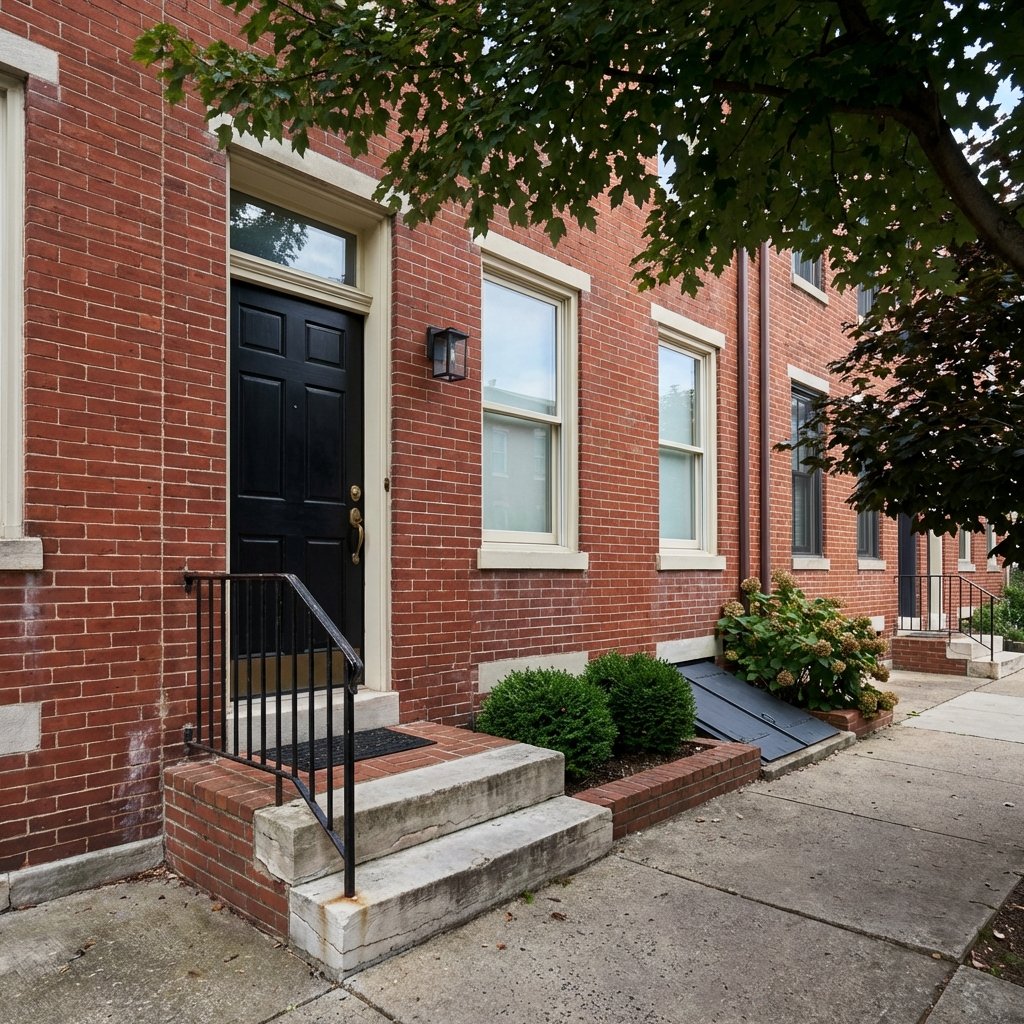
From granite stone homes perched above Main Street to golf-course townhomes with neighborhood retail, Ellicott City offers a surprising range of architecture in a compact area. If you are trying to choose the right fit, style can feel exciting and overwhelming at once. In this guide you will learn the key home types you will see in Ellicott City, where to find them, what layouts and ages to expect, and the maintenance and resale points that matter. Let’s dive in.
Ellicott City’s heart is a recognized historic district along Main Street, where 18th and 19th century masonry buildings define the streetscape. You will see local stone and brick, plus later Victorian and Italianate details that give the corridor its charm. You can read more about the district and its architectural character in the National Register listing for the Ellicott City Historic District.
Outside downtown, you will find mid‑ to late‑20th century single‑family neighborhoods, a broad mix of townhomes and condos, and newer master‑planned areas. Turf Valley on the west side is a standout example, with a golf course, a town‑center retail area, and a range of attached and detached homes supported by planned amenities. The county’s flood history also matters, especially near downtown and valley neighborhoods. Major 2016 and 2018 floods led to a long‑term response that continues to shape buying, insuring, and renovating decisions near the core, as covered by The Washington Post’s reporting on Old Ellicott City’s rebuilding.
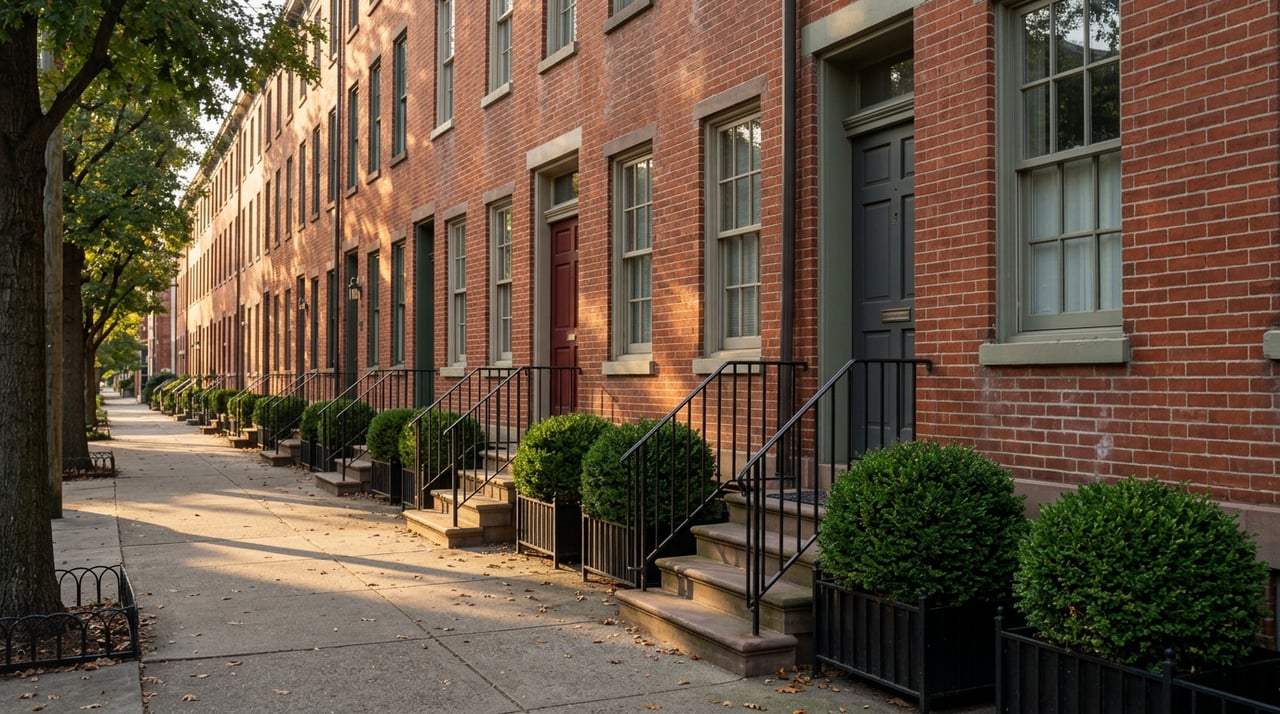
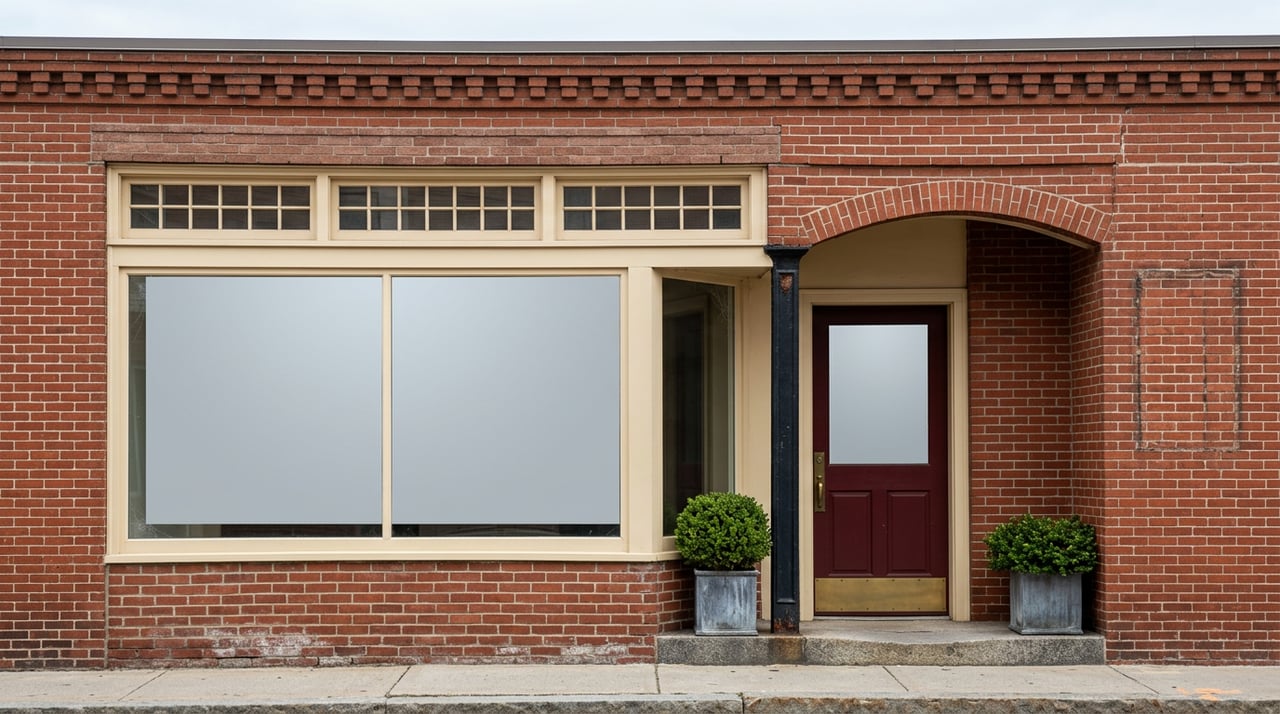
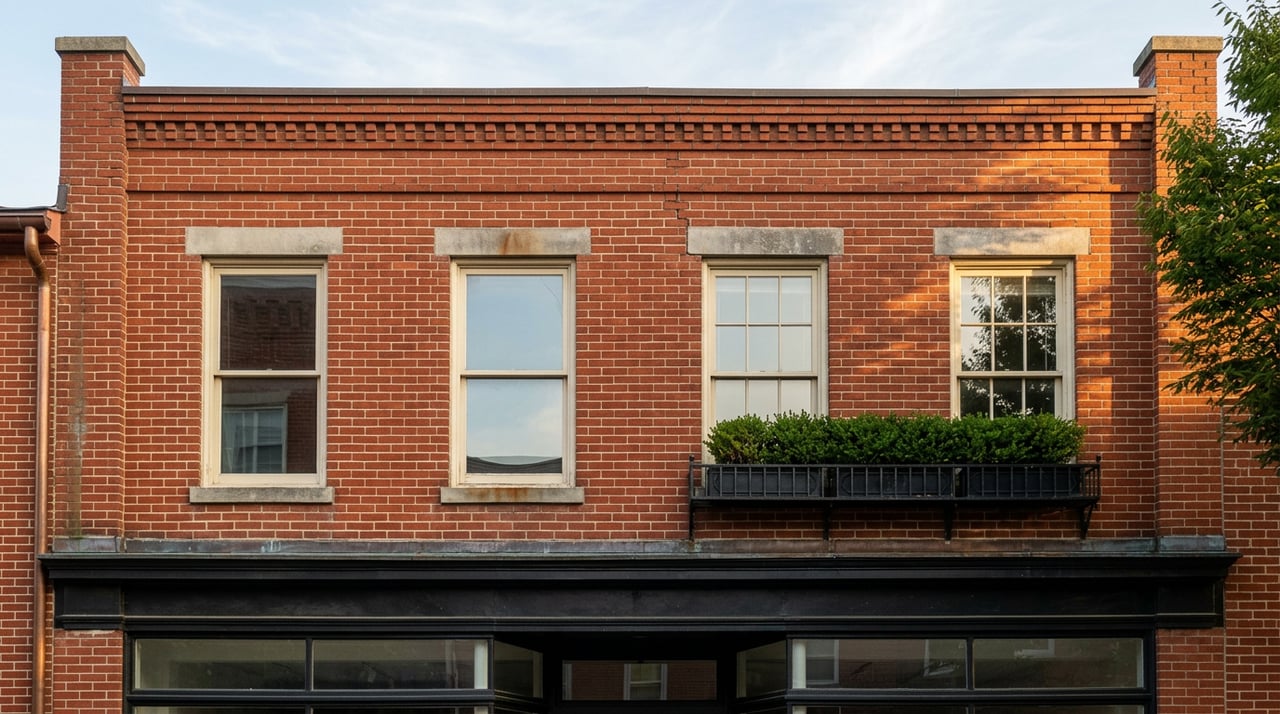
These stone and brick buildings line Main Street and nearby blocks. Many date to the late 1700s through the 1800s with updates over time. Rooms can be modest in size with irregular floor plans and stairs that reflect the building’s age. Moisture management is a key theme for long‑term care. Expect to evaluate masonry repointing, roof flashings, and historic windows. The National Park Service’s guidance on building conservation is a helpful reference for owners considering repairs and upgrades, including window and masonry best practices (NPS preservation topics). Homes built before 1978 may also involve federal lead‑paint disclosure, so plan your due diligence accordingly (EPA lead‑paint rules).
A small number of larger stone or brick farmhouses and named manors sit on bigger parcels in and around Ellicott City. These properties are highly individual, sometimes with multiple wings, outbuildings, and historic landscapes. Ownership usually comes with broader site care, from driveways to tree management, and sometimes preservation restrictions tied to exterior changes. Traditional systems and finishes often benefit from the same technical references in NPS preservation topics.
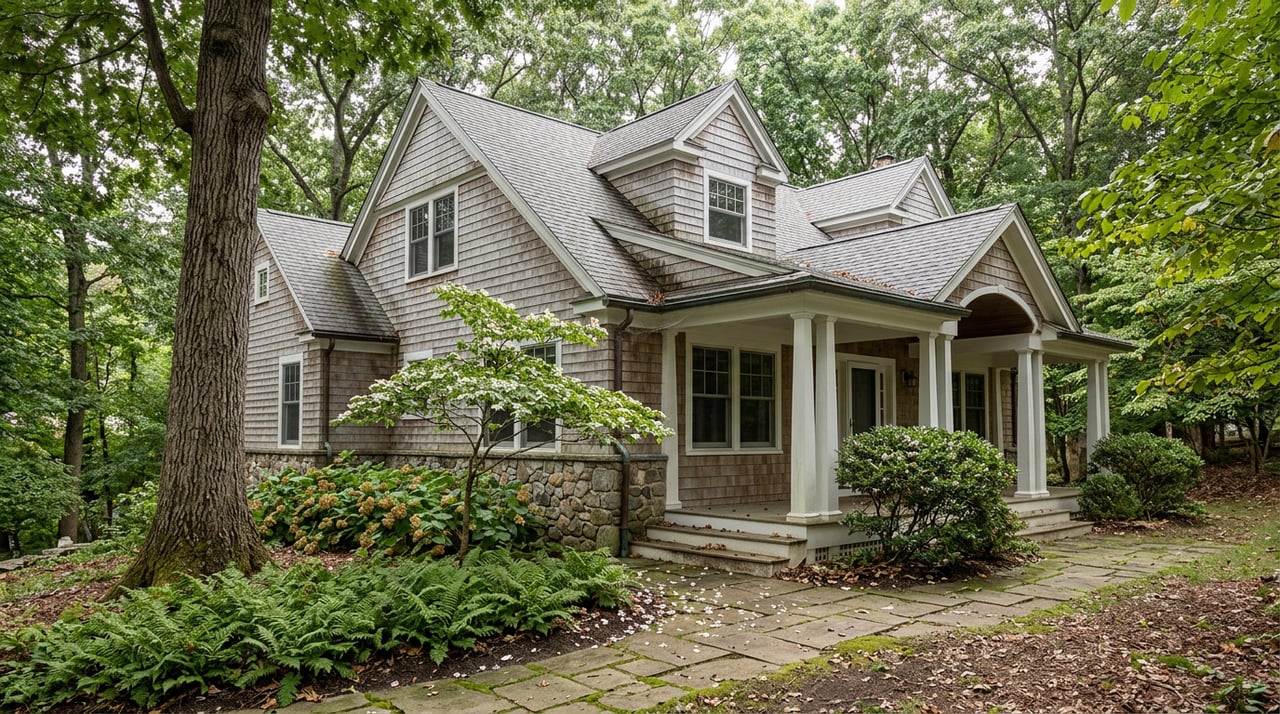
Across many neighborhoods, you will find ranches, raised ranches, split‑foyers, and colonial forms built between the 1950s and the 1990s. Floor plans often include three to four bedrooms, with basements and suburban lot sizes that vary by subdivision. Typical upgrades to check include electrical panels and wiring type, HVAC age, roof condition, and insulation and window performance. For older homes, confirm any required lead‑paint disclosure if built before 1978 (EPA lead‑paint rules).
Attached housing grew significantly from the 1980s through the 2000s, especially near commuter routes and shopping. These communities often trade lower exterior maintenance for monthly HOA fees and shared obligations. Review HOA documents and reserve studies to understand the status of roofs, façades, and common areas. Local coverage of Turf Valley’s Towne Square growth is a useful window into how mixed‑use and attached products evolve over time (Daily Record on Towne Square).
Turf Valley is the prime local example of a master‑planned, resort‑style area with single‑family homes, townhomes, apartments, and a walkable retail core. It began as a golf destination and is now a deliberate growth area with an amenity framework and defined community standards. Buyers should review covenants, warranties, and long‑term plans to understand how future phases may support resale and livability. Planning organizations describe Turf Valley’s mixed‑use role and zoning in the region (APA Maryland overview).
Along Main Street, the West End, and small side streets like Tonge Row, you will see concentrated 18th and 19th century stone and brick buildings with later Victorian touches. This is the most visible cluster of historic architecture and a short walk to shops and dining. For context on the district’s significance and styles, start with the Ellicott City Historic District listing.
Areas along the lower Tiber and Hudson branches include homes shaped by valley topography and runoff patterns. If you are considering a property here or near the historic core, check flood maps early in your process and verify the current status of the county’s mitigation work. Howard County maintains tools and guidance for parcel‑level checks and insurance discussions (Howard County flood maps and resources). You can also track major capital project updates through industry coverage (ENR on Ellicott City mitigation projects).
US‑40 has a dense concentration of businesses, including a well‑known Korean dining and retail presence that serves as a cultural anchor for parts of the area. Nearby neighborhoods include both older single‑family subdivisions and multi‑tenant parcels. The corridor’s business profile is highlighted in local economic materials (overview of the Route 40 “Koreatown” corridor).
West of downtown, Turf Valley offers a planned mix of golf, housing, and a walkable town square. You will find newer single‑family homes and townhomes plus retail and services integrated into the plan. This is a good place to look if you want modern layouts, predictable HOA standards, and access to amenities (APA Maryland overview).
North and east of downtown, these established neighborhoods feature mid‑ to late‑20th century single‑family homes. You can expect a range of ranch, split‑foyer, and colonial styles on suburban lots with mature landscaping. You will also see some newer infill where lots have allowed it.
Close to major green spaces, these neighborhoods appeal to buyers who value quick access to trails, lakes, and recreation. Housing skews suburban single‑family with a mix of ages and styles. If you enjoy time outdoors, this cluster is worth a look.
If you want a walkable, historic environment with one‑of‑a‑kind architecture, Old Ellicott City delivers. Balance that charm with clear eyes about preservation review, moisture management, and confirmed flood exposure. If you prefer traditional single‑family living with mature neighborhoods and suburban lots, look north and east toward Dunloggin, Orchard Ridge, and Worthington. If low‑maintenance living with amenities is your priority, townhomes and condos near Route 40 or in Turf Valley offer HOA structure and access to shops and services.
Across all styles, resale is supported by fit. Buyers value authenticity downtown, functional updates in mid‑century homes, and amenities plus modern layouts in planned areas. Focus on condition, systems, and location context, and you will be set up for success.
Ready to match your style to the right Ellicott City neighborhood? Reach out to Vsells & Associates for local guidance, clear next steps, and a smooth path to your goals.


Whether you are buying or selling, we at VSells & Associates make it our mission to guide our clients through the whole process. We make moving simple, straightforward, and as stress-free as possible.